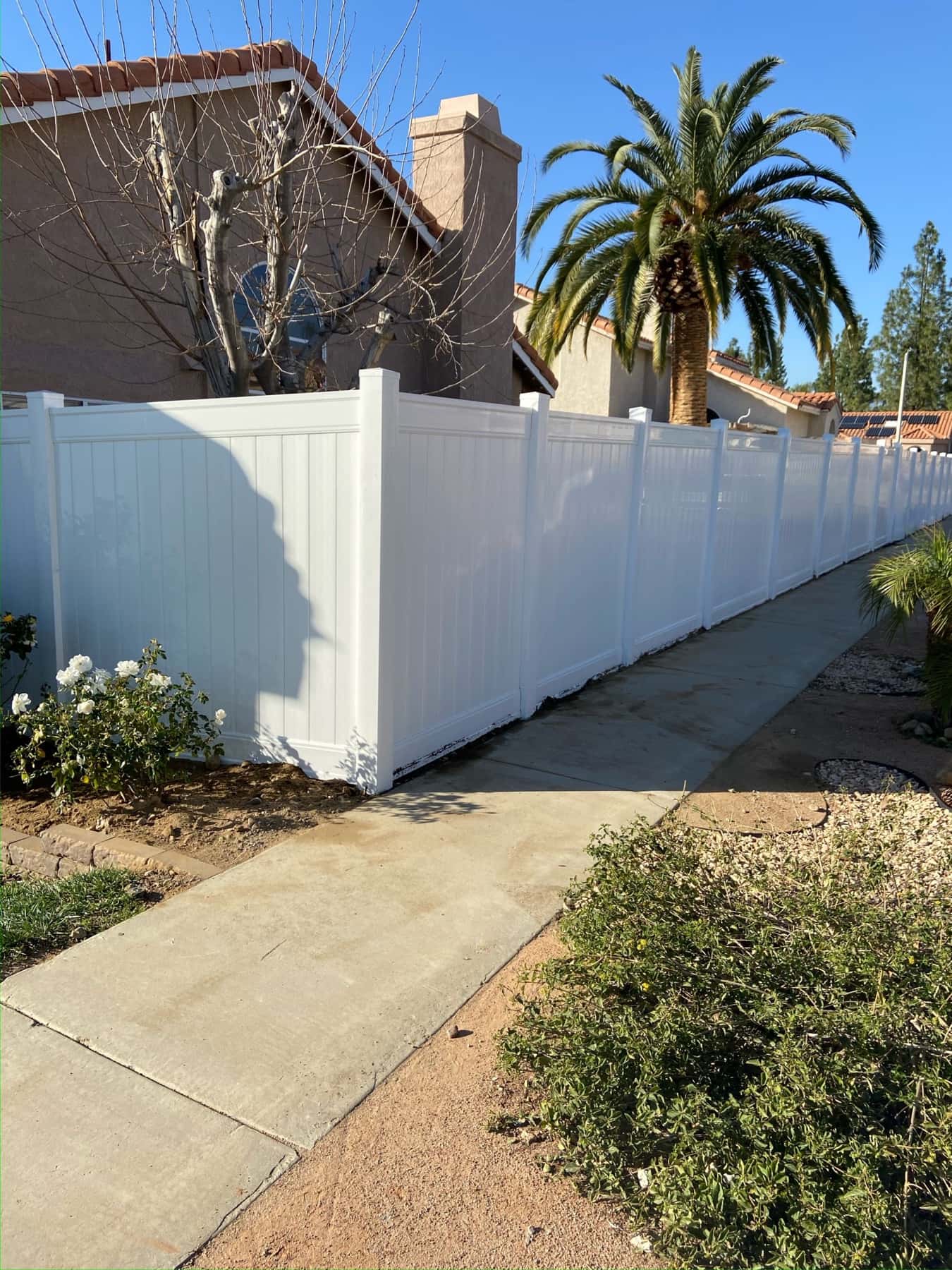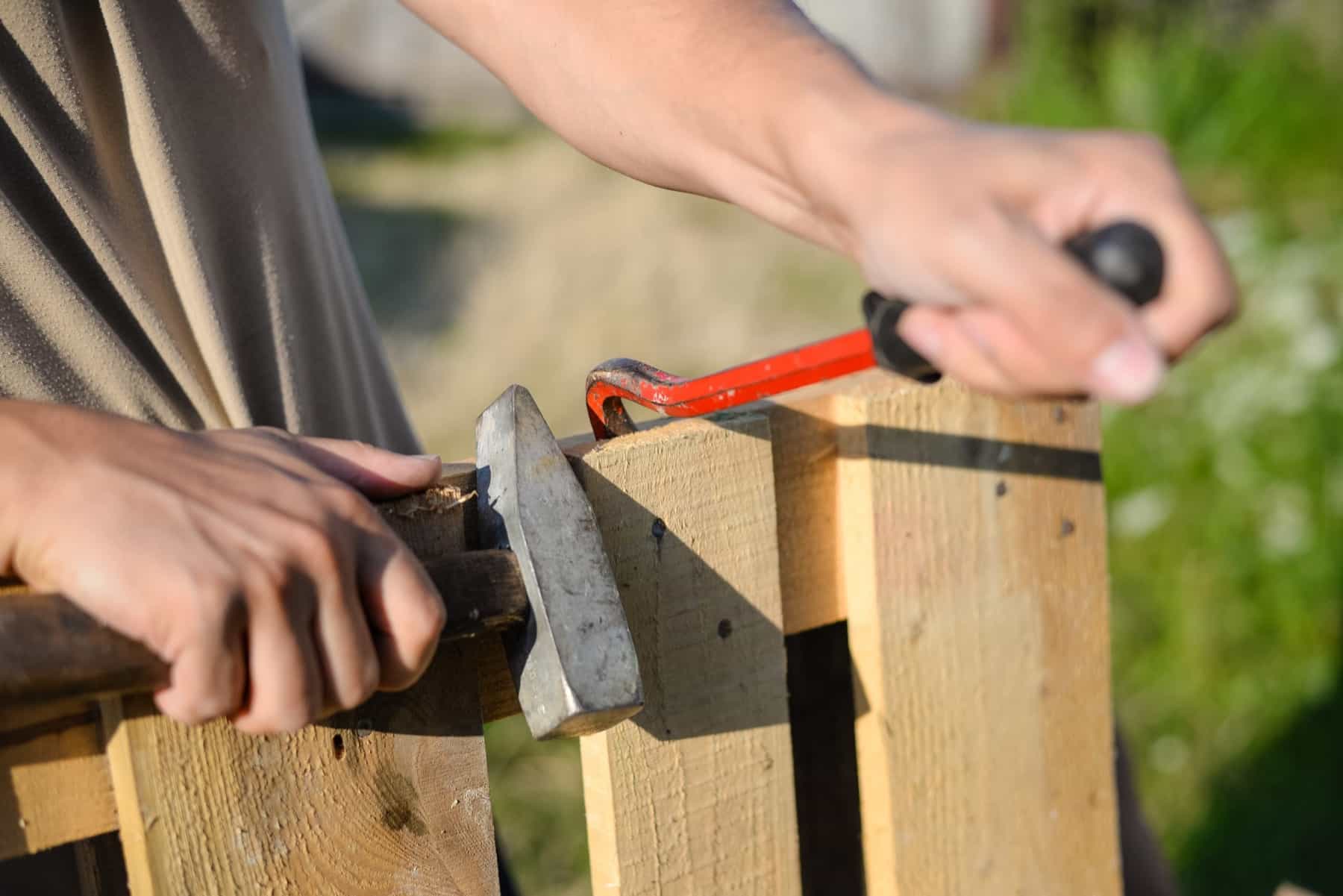
Putting up a fence on a shared boundary raises questions about permission, cost sharing, and where the line really is. The short answer is that laws vary by city and by HOA, and the safest path is to confirm rules and communicate early. A seasoned fence contractor guides that process, verifies the boundary, and documents decisions so your project stays friendly and compliant.
When permission is legally required
You do not always need written permission to place a fence on your property inside required setbacks. You will need explicit consent if you plan to build directly on the property line as a shared or party fence, attach to an existing neighbor fence, remove or modify their fence, or access their yard to work. HOAs can add approval steps for style and color even when the fence sits entirely on your side.
Why a verified boundary comes first
Most disputes begin with guesswork. Pins get buried, old fences drift inside one yard, and easements cross corners. A fence builder checks your survey or plat, locates pins with a detector when possible, and recommends a new survey when records and the yard do not match. Building to a confirmed line protects both owners from encroachment claims and from expensive tear outs later.
Notice and communication that keep things friendly
Good outcomes start with a simple, written notice that includes a sketch, height, style, and gate locations. Share when work will start, whether crews need temporary access, and what cleanup looks like each day. If you hope to set the fence on the line and split costs, present a clear quote with materials and warranties. A contractor can provide a neutral diagram and a professional estimate that makes the conversation easier.
Placement options and their tradeoffs
- Inside your line: Fastest and simplest. You own it outright and maintain both sides from your yard.
- On the property line: Often allowed with written neighbor consent. Ownership and maintenance are shared. Expect to agree on style and color.
- Offset near features: Trees, utilities, and drainage swales may require a small offset. A fence contractor will draw a build line that clears these features while meeting code.
Style choices that avoid friction
Conflicts often center on appearance. Many owners choose a “good neighbor” design with finished faces on both sides or alternate panel faces along the run. If you prefer a one sided look, discuss which face points outward. Pros can show style boards and color samples so each side knows what they will see every day.
Access, staging, and cleanup
If crews need to step into the neighbor’s yard to remove an old line or to set posts on a shared boundary, get written permission for access dates and hours. A professional installer stages materials on your side, protects plantings, and removes debris daily so there are no surprises next door.
Paperwork that prevents rework
A simple packet goes a long way:
- Copy of your survey or a surveyor’s sketch with the fence line marked
- City permit or confirmation that the project is permit exempt
- HOA approval if applicable
- Product cut sheets for height, color, and hardware
- A short neighbor agreement when building on the line or sharing costs
Your fence contractor can assemble this packet and save signed copies with your invoice. Clear records end most disputes before they begin.
Special cases that need expert planning
- Corner lots and sight triangles: Height limits near streets protect driver visibility. Pros adjust height or step down panels to pass inspection and keep neighbors safe.
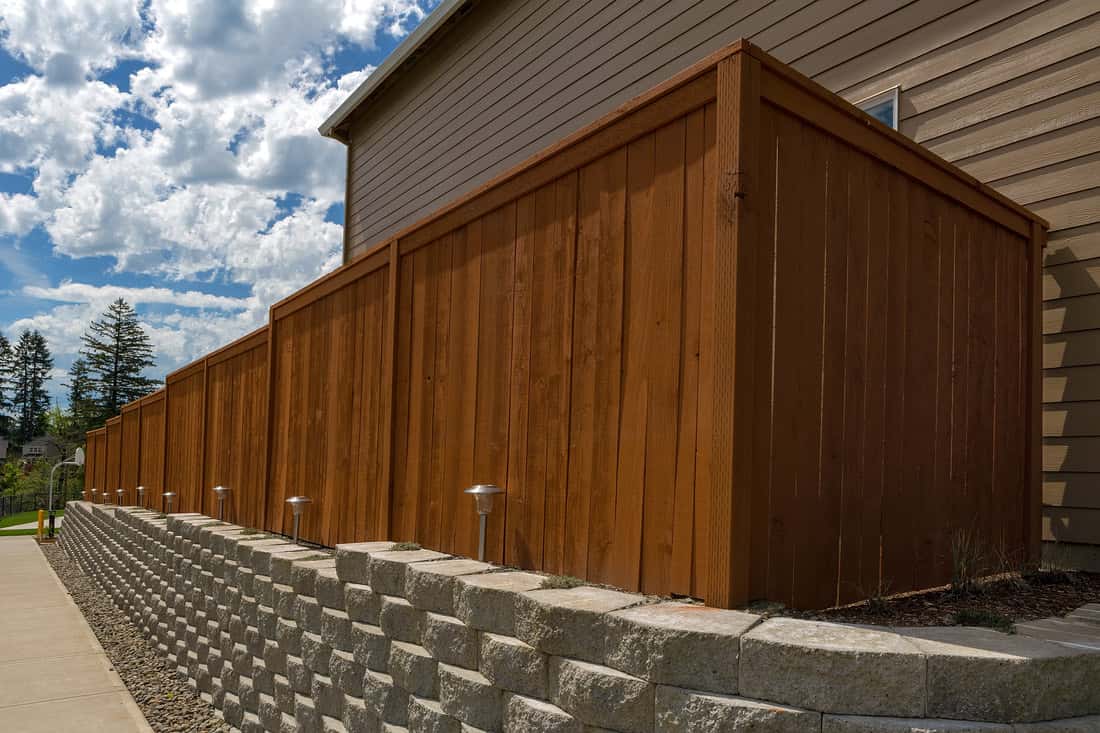
- Shared retaining walls: Fences on walls can require engineering and additional permissions.
- Existing encroachments: If a neighbor’s old fence sits inside your property, do not align to it without confirming the boundary. A corrected line plus a polite notice avoids future claims.
What happens if you skip permission and verification
You may pass inspection and still face a complaint for encroachment or style violations. Typical outcomes include letters from the city, HOA fines, or orders to move or modify sections at your expense. Repairs cost more after concrete cures. Verification and communication cost far less up front.
A professional workflow that keeps everyone on board
- Verify boundary and setbacks from survey and code
- Create a simple plan with heights, styles, and gate swings
- Deliver neighbor notice and request access only if needed
- Gather permits and HOA approval
- Build to the approved plan with daily cleanup and photo documentation
- Provide final packet with warranty and inspection sign off
You may not always need your neighbor’s permission, but you always need a clear boundary, clean paperwork, and a respectful plan. That is where a fence contractor adds real value. Verification, notice, and documented agreements protect relationships and budgets, and they keep the project moving without rework. If you want a smooth install and zero drama on the lot line, ask a builder to confirm the line, prepare a simple packet, and manage communication before post one. Ready to start. Request a quick quote and we will handle the details that keep everyone happy on both sides of the fence.
FAQs
Do I need permission if the fence is entirely on my property?
Usually no, but notice is still smart. It prevents surprises and gives neighbors time to move items off the line.
Can I attach to my neighbor’s fence to save money?
Only with their written consent and when the structure can support it. Many contractors recommend a standalone post to avoid future disputes.
What if my neighbor refuses to participate?
You can typically build on your side within code. Keep your fence fully self supported and avoid touching their structure.
Can we split costs?
Yes, when both parties agree on line placement, style, and maintenance. Put the agreement in writing. Your installer can provide a single invoice with split payments.
What if we discover the old fence was in the wrong place?
Pause work and confirm the boundary. Moving a few posts now is cheaper than litigation or removal later.