Fence height is not just a style choice. It affects privacy, airflow, wind load, cost, and whether you pass inspection. The sweet spot comes from matching your needs to your property, then confirming what the city and HOA will allow. A good fence contractor walks the line with you, checks sightlines, studies wind exposure, and proposes a height plan that looks clean and performs year round.
Start with how you use the space
- Backyard privacy: Sitting areas and kitchen windows usually need 6 feet to block views at eye level. If neighbors have a raised deck or a higher grade, a 7 or 8 foot section along that edge may be warranted where code allows.
- Front yard and corner lots: Many cities cap front yard fences at 3 to 4 feet and require clear sight triangles at streets and driveways. Lower profiles and open styles keep visibility safe.
- Pools and play areas: Pool barriers must meet safety rules for height, latch placement, and climb resistance. A fence builder will size and spec hardware to pass inspection.
- Pets: Jumpers often need 5 to 6 feet with return panels near gates. Small dogs may be fine at 4 feet if gaps and grades are managed.
Read your lot and your wind
Wind pushes harder on taller, solid fences. If your yard faces seasonal gusts or sits on a rise, height choices must pair with tighter post spacing, deeper footings, and styles that allow some airflow. A semi private pattern at 6 feet can feel more stable than a solid wall at the same height and still screen views from most angles.
Know the rules before you fall in love with a size
Height limits shift by zone, street frontage, corner visibility, and pool presence. HOAs often add their own caps and style lists. A fence contractor confirms setbacks and maximums for your address, then draws a plan that fits. This prevents rework, red tags, and expensive tear outs.
Blend function with look
Tall, solid runs block wind and light if used everywhere. Many properties look and perform better with a mix. Use 6 feet for privacy zones, step down near patios or gardens, and taper toward the street. Good transitions make long lines feel intentional rather than heavy.
Materials influence workable height
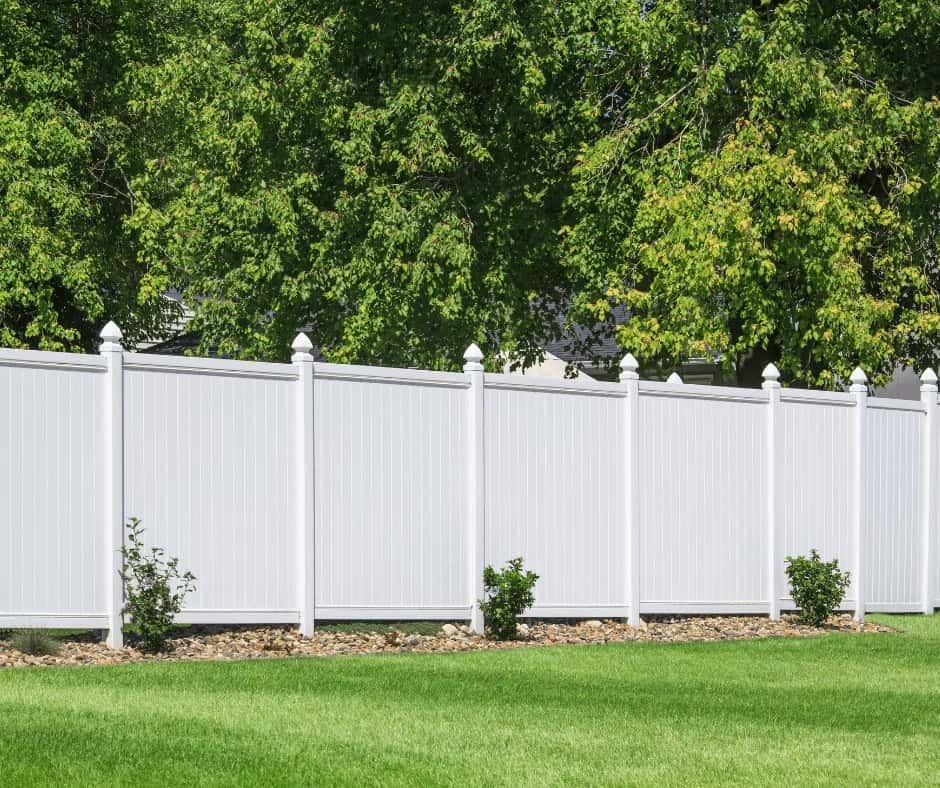
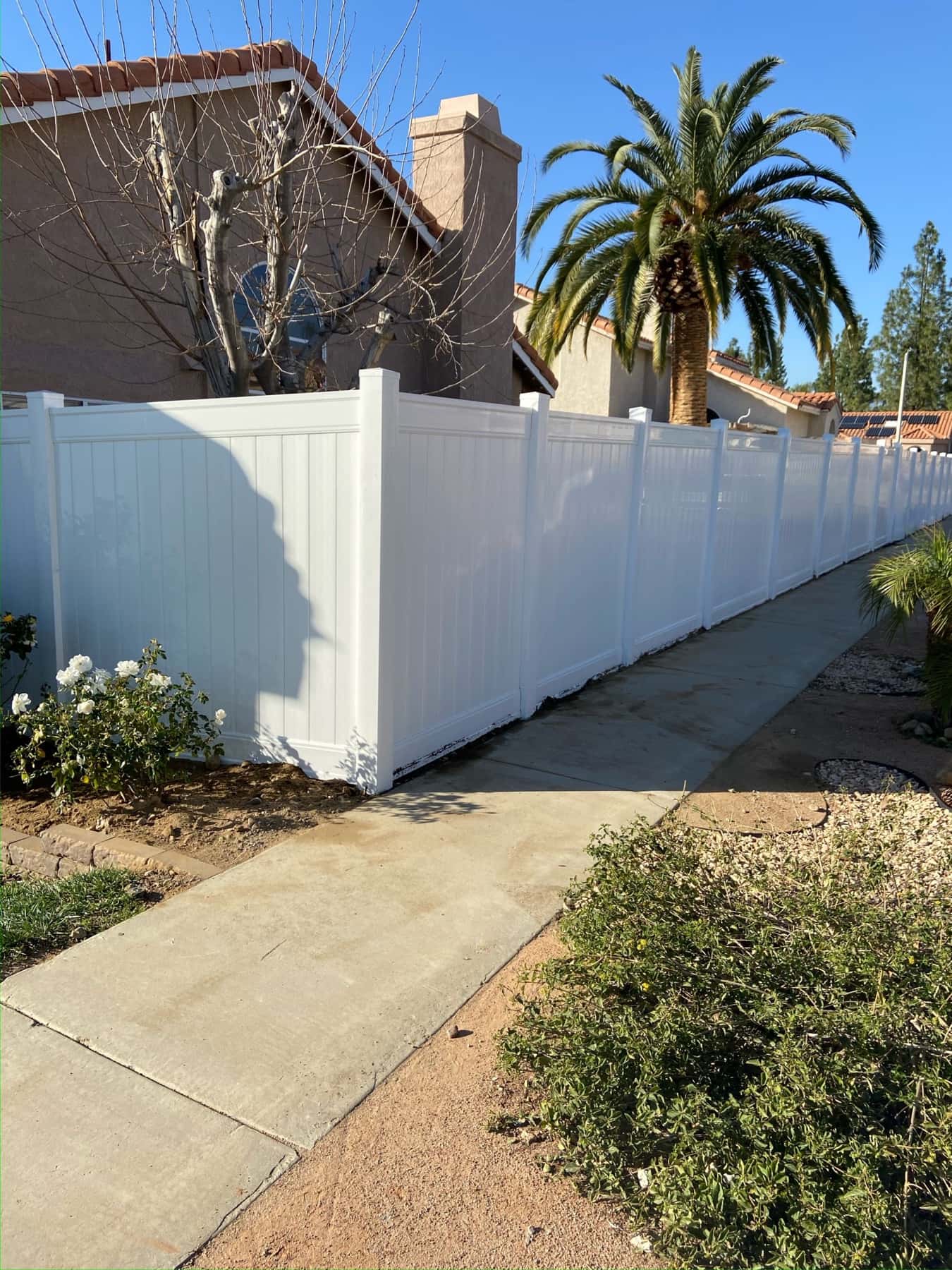
- Vinyl: Commonly 6 feet for privacy. Taller needs inserts, closer posts, or engineered panels.
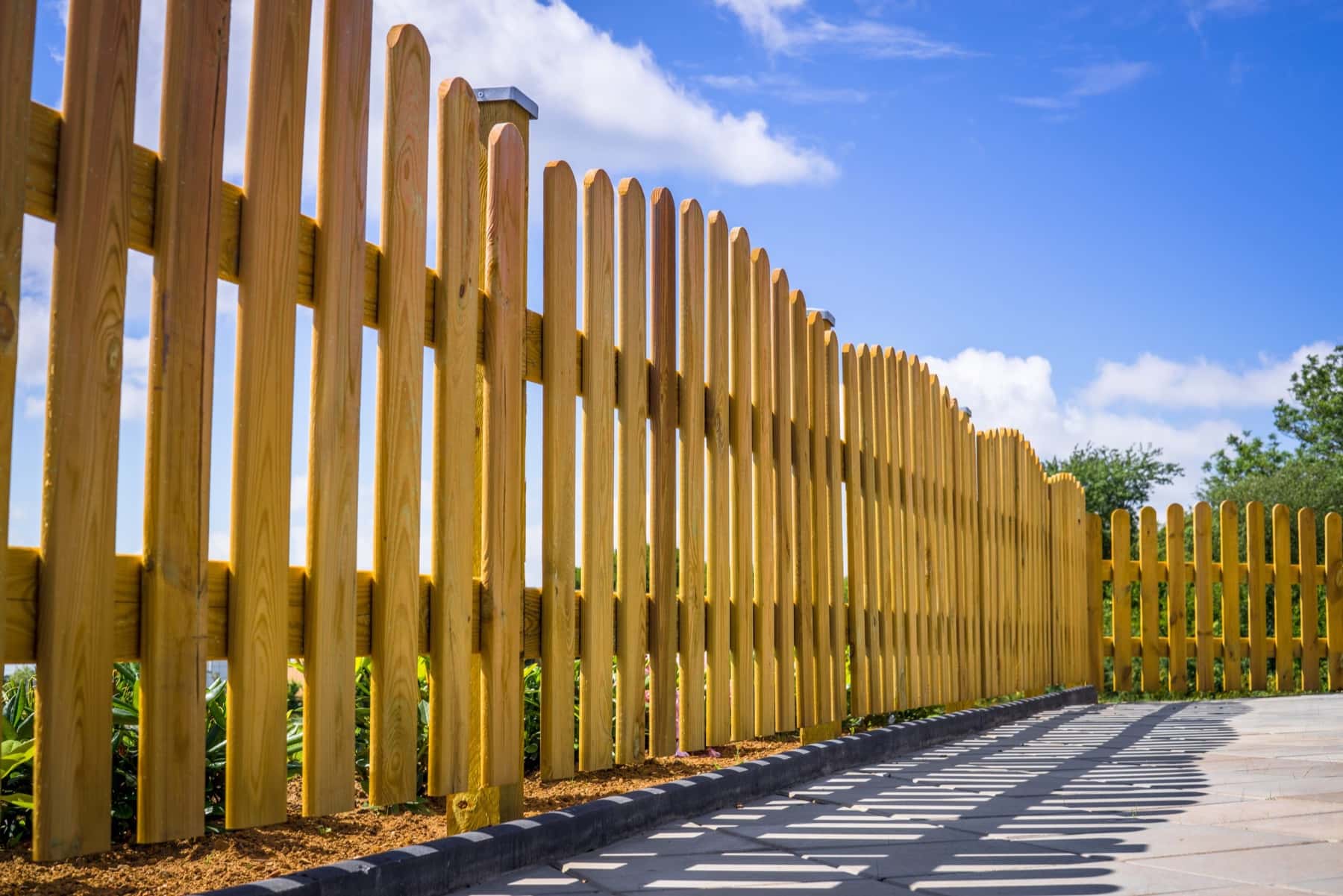
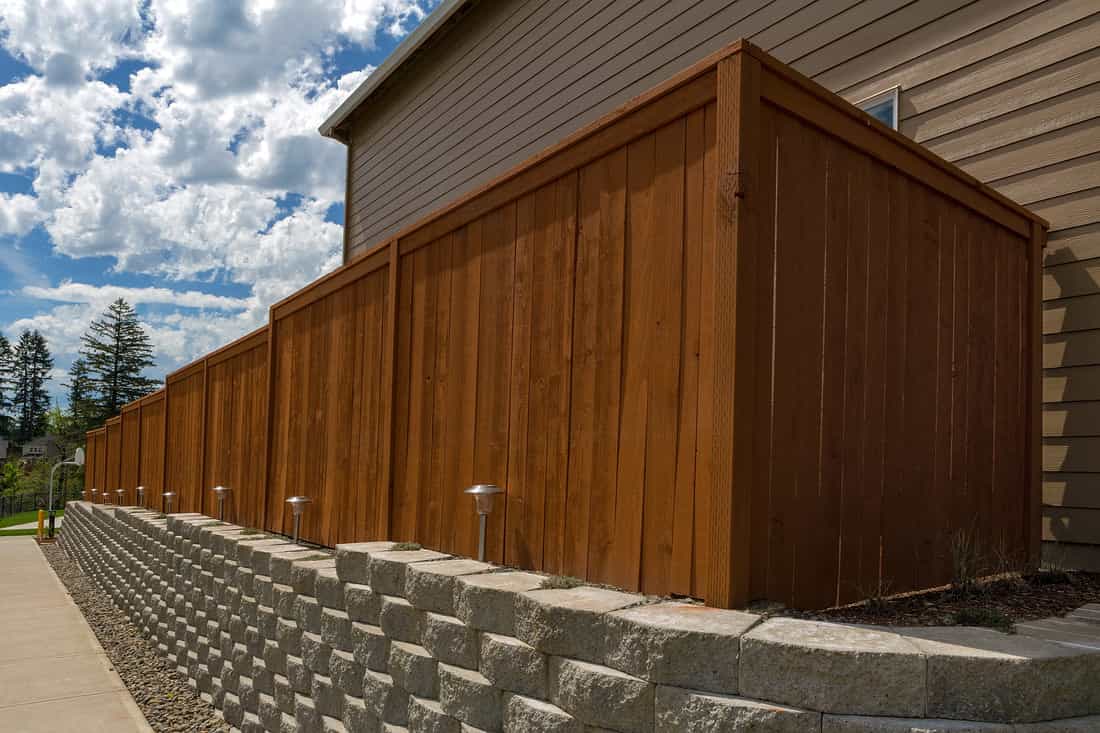
- Wood: 6 feet is standard. Seven or eight feet is possible with tighter spacing, stiffer rails, and heavier posts.
- Ornamental aluminum or steel: Often 4 or 5 feet for front yards, pool codes, and sightlines.
- Chain link with slats: 6 feet for privacy, higher for commercial or high wind only with the right framework.
Slopes, steps, and grade changes
Height is measured from finished grade. On slopes, a 6 foot section can look taller uphill and shorter downhill. Pros choose racked panels to follow grade or step sections in even increments, then keep measured height inside the rule at every post.
Gate locations and neighbors
Gate areas often feel more exposed. A slightly taller panel beside a gate can improve privacy without changing the whole run. For shared lines, confirm whether your neighbor wants a “good neighbor” design that looks finished on both sides. Clear agreement on height and face direction prevents disputes.
Cost and value
More height means more post depth, heavier framing, and stronger hardware. Spending for the right height where you need it, and stepping down where you do not, usually beats oversizing the entire yard. A fence builder can lay out zones so you get privacy where it matters and save where it does not.
What a fence contractor will do on the first visit
- Walk the property to map views, grade, and wind exposure
- Check height limits, setbacks, and pool or corner rules for your address
- Mark privacy zones and propose transitions that look natural
- Match height to material, post spacing, and footing design
- Provide a drawing and a clear quote with any HOA or permit steps
The right fence height is a balance of privacy, wind, and code. Start with how you use each area, confirm what is legal for your address, then match height to material and footing strength. A fence contractor will map views, set smart transitions, and deliver a plan that passes inspection and looks intentional from every angle. If you want a yard that feels private without creating new problems, request a quick quote and get a height plan engineered for your property.
FAQs
Accordion 1
The point of using dummy text for your paragraph is that it has a more-or-less normal distribution of letters. making it look like readable English.
Accordion 2
The point of using dummy text for your paragraph is that it has a more-or-less normal distribution of letters. making it look like readable English.