A fence can add real value, but not every fence does. Buyers and appraisers respond to privacy, safety, curb appeal, and documented workmanship. Height, style, materials, and location all matter. So do permits, surveys, and warranties. Here is how to choose and install a fence that supports resale and protects your investment.
What actually adds value
Usable privacy. A 6 foot privacy line in the right zones makes outdoor areas feel like an extra room. If neighbors have raised decks, plan height or semi private patterns where they are needed most.
Safety and compliance. Pool barriers that meet code, child safe latches, and pet secure layouts reduce buyer objections. Appraisers note compliance and functional utility.
Curb appeal. Clean lines, consistent styles, and finishes that match the home read as quality. Ornamental fronts paired with privacy sides are a proven combo.
Documented installation. Permits, inspection sign off, and a transferable warranty give buyers and lenders confidence. A fence contractor provides paperwork that supports value.
When a fence hurts value
- Built over a property line or into an easement
- Heights that violate code or block corner visibility
- Mismatched materials or patchwork repairs
- Cheap hardware that rattles or gates that drag
- Neglected maintenance, peeling finish, or warped panels
Materials buyers prefer by location
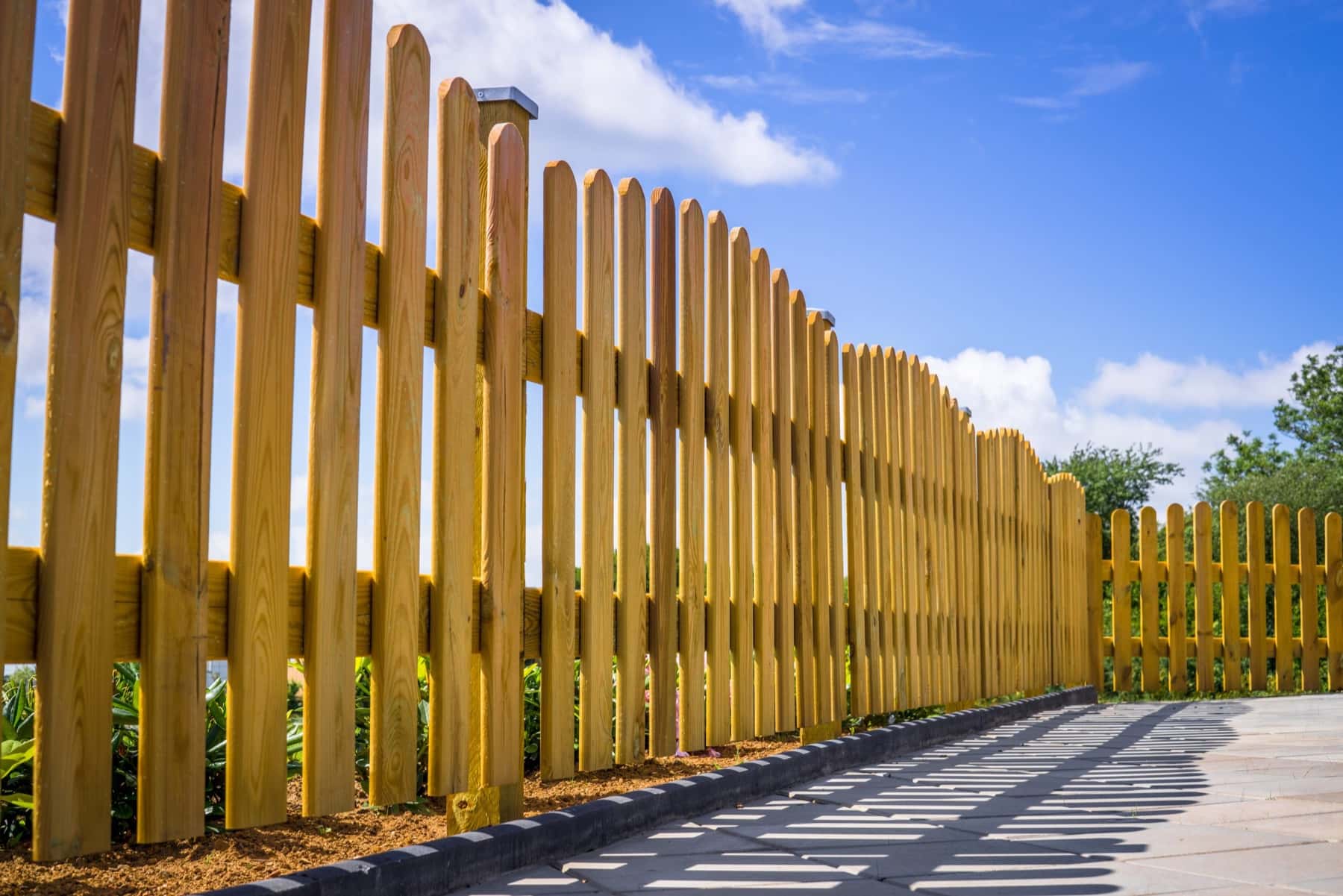
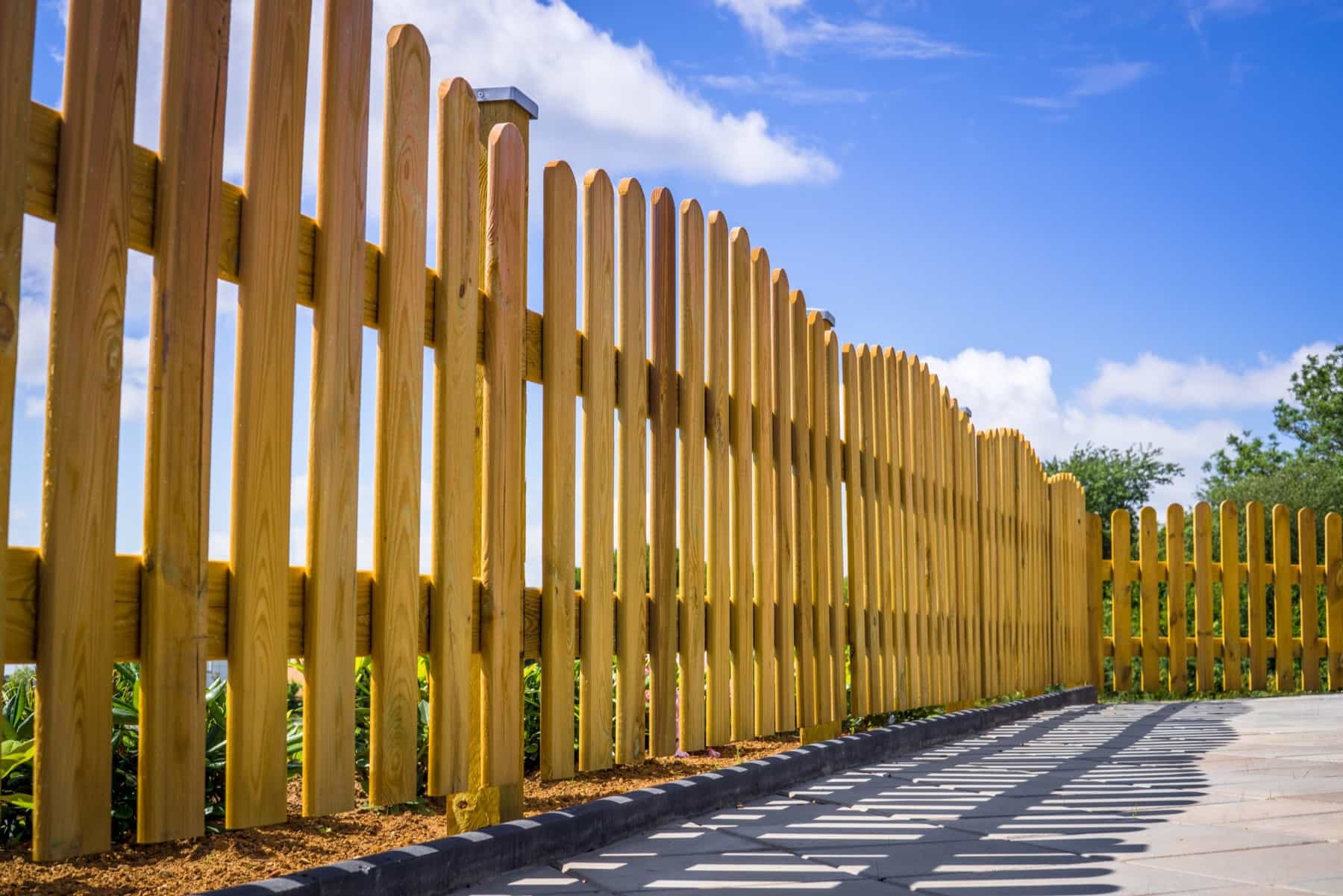
- Fronts and street views: Ornamental aluminum or steel at 4 to 5 feet. Open pickets maintain sightlines and feel upscale.
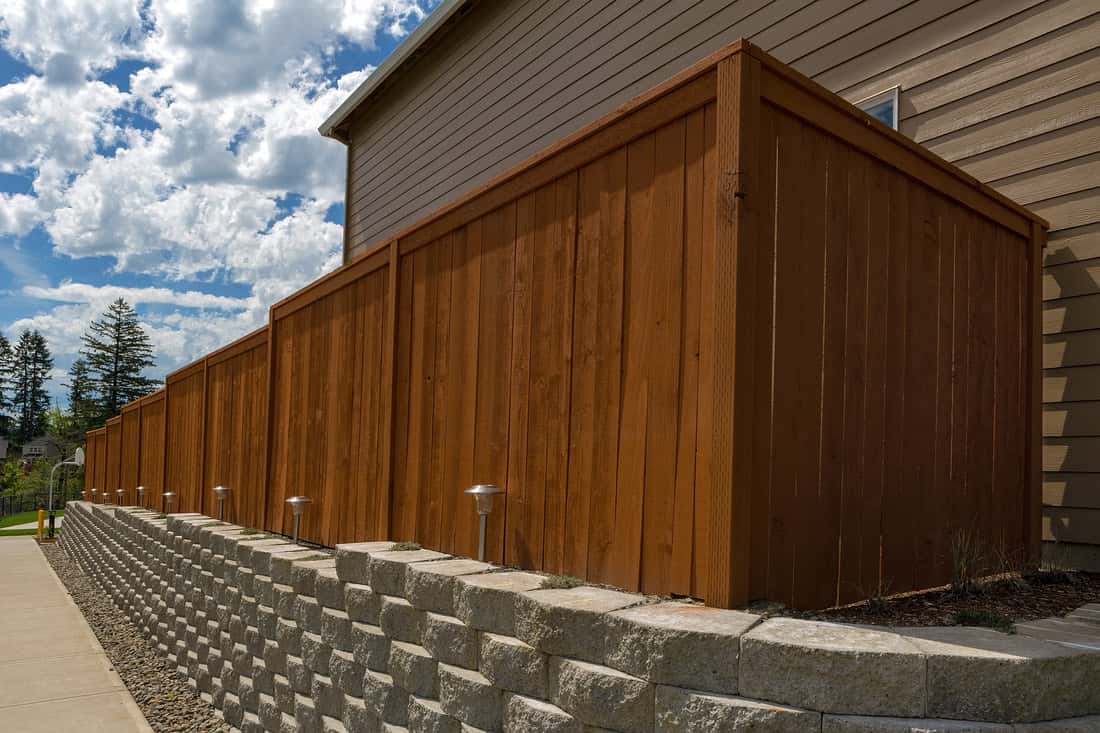
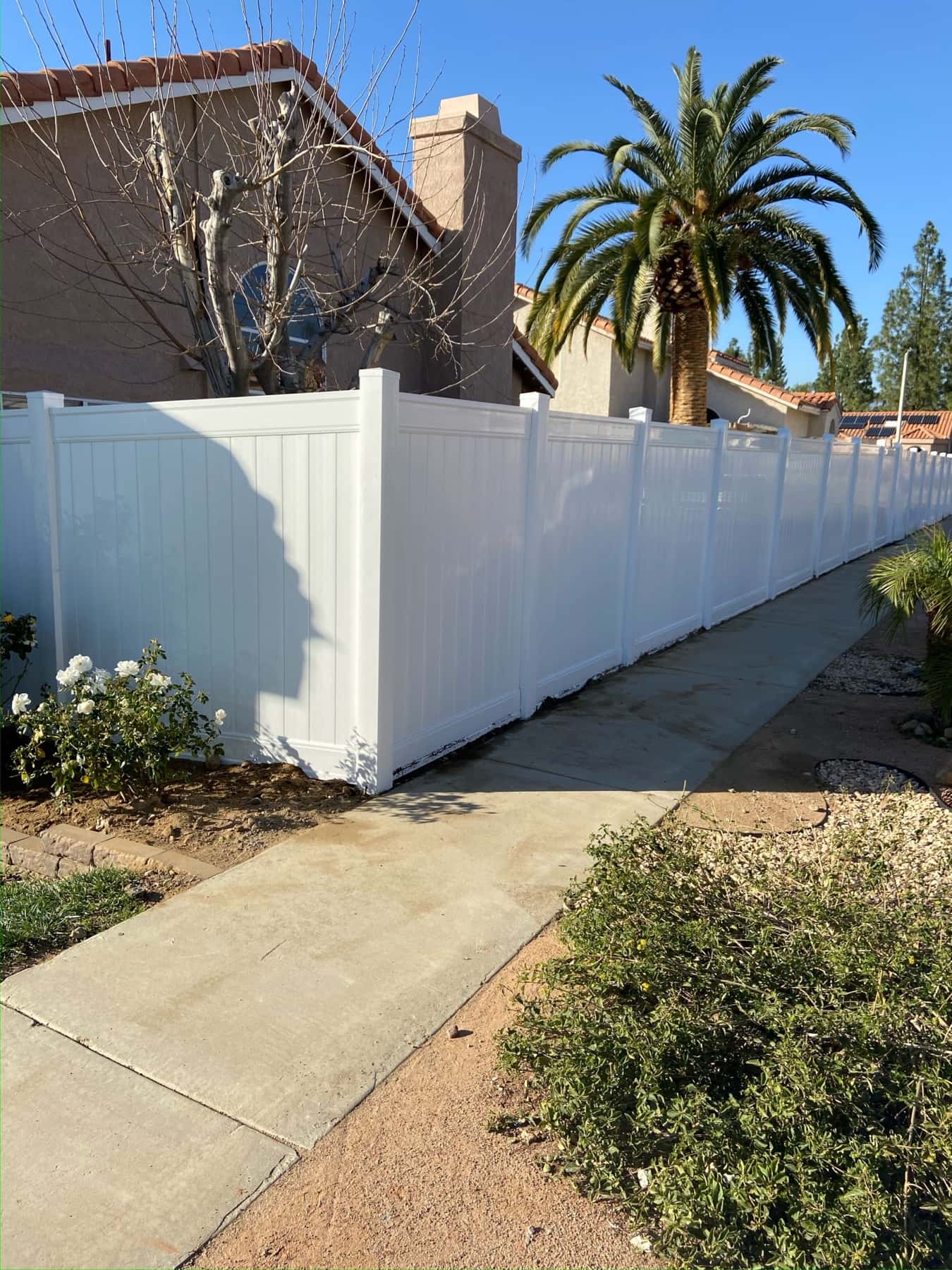
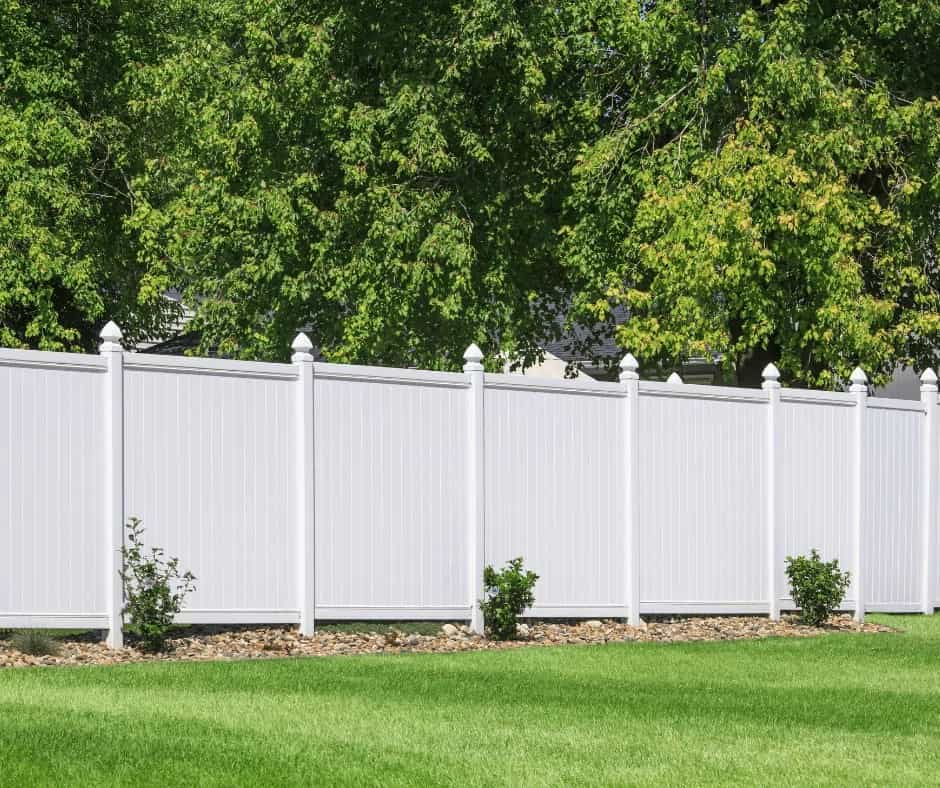
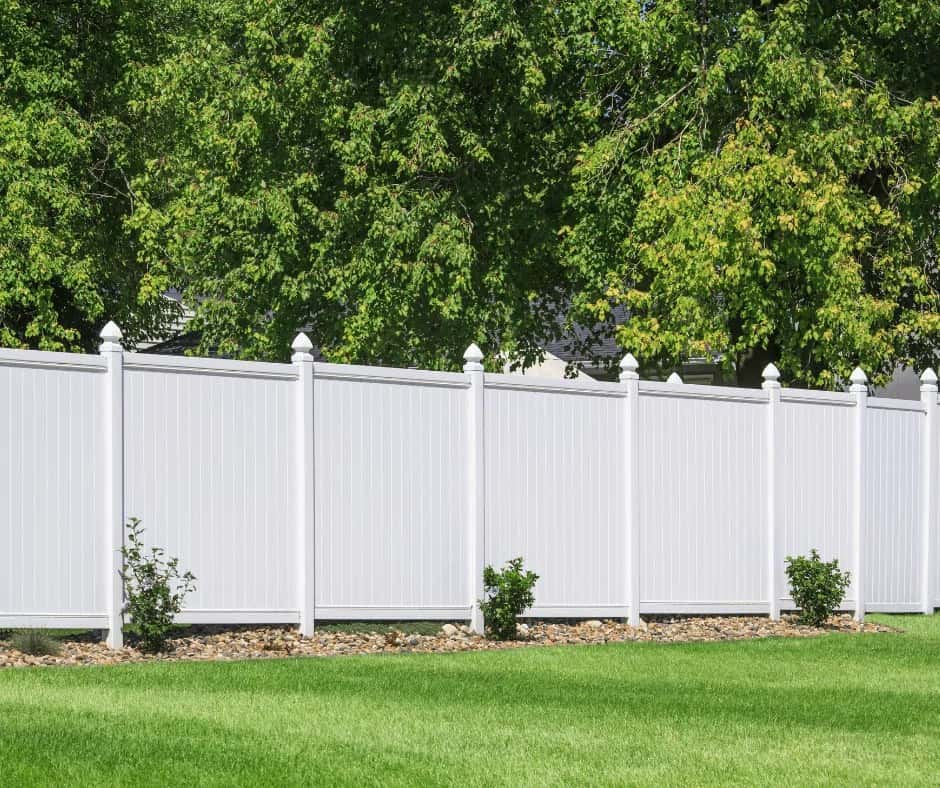
- Back and side yards: Vinyl or wood privacy at 6 feet where allowed. Semi private styles near patios keep airflow and reduce wind load.
- Pool areas: Code compliant panels and self closing, self latching gates with documented hardware.
- Busy roads: Semi private patterns that soften noise without feeling boxed in.
A fence builder can mix styles carefully so transitions look intentional rather than pieced together.
The appraisal lens
Appraisers look for market acceptance, quality of construction, and contributory value. They will not assign full cost to value, but they do credit features that are typical and desirable in the neighborhood. A fence contractor improves your case with:
- A site plan that shows location inside setbacks
- Permit and inspection records
- Material specs and warranties
- Photos that document footing depth, post spacing, and hardware
Design choices that hold value longer
Right height in the right zones. Use 6 feet where privacy matters. Step down near streets and views so the property feels open.
Conservative spans and strong footings. Panels that stay flat and gates that swing true signal quality to buyers.
Neutral colors and classic profiles. Trend colors fade in popularity. Neutrals and clean lines resell better.
Good neighbor styles on shared lines. Finished faces on both sides reduce disputes and look balanced.
Cost vs return
You may not recoup every dollar, but the right fence can increase buyer interest, reduce time on market, and remove inspection objections. That often translates to a stronger offer and smoother closing. Poor installs do the opposite and become negotiation points.
How a fence contractor protects ROI
- Confirms survey and setbacks so the line is legal
- Pulls permits and meets inspections for clean documentation
- Matches material and height to wind, grade, and local norms
- Sizes posts, footings, and gates for long term stability
- Provides a clear warranty that can transfer to the next owner
A fence can boost value when it delivers usable privacy, looks intentional from the street, and comes with clean paperwork. The fastest path is working with a fence contractor who verifies boundaries, meets code, and builds for stability so the fence still looks solid when it is time to sell. Want a design that shows well now and at resale? Request a quick quote and get a fence plan that buyers and appraisers will both respect.
FAQs
Accordion 1
The point of using dummy text for your paragraph is that it has a more-or-less normal distribution of letters. making it look like readable English.
Accordion 2
The point of using dummy text for your paragraph is that it has a more-or-less normal distribution of letters. making it look like readable English.