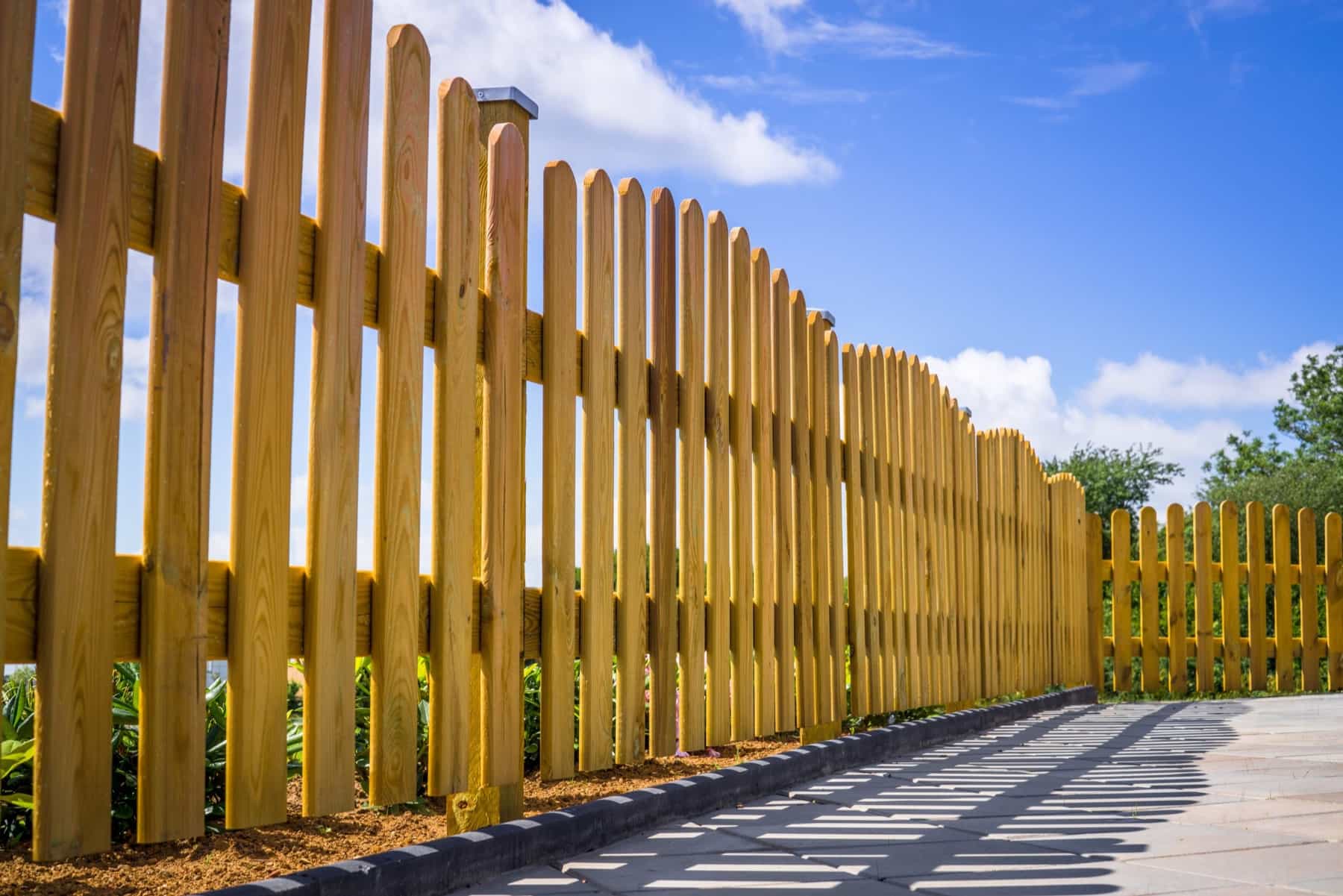
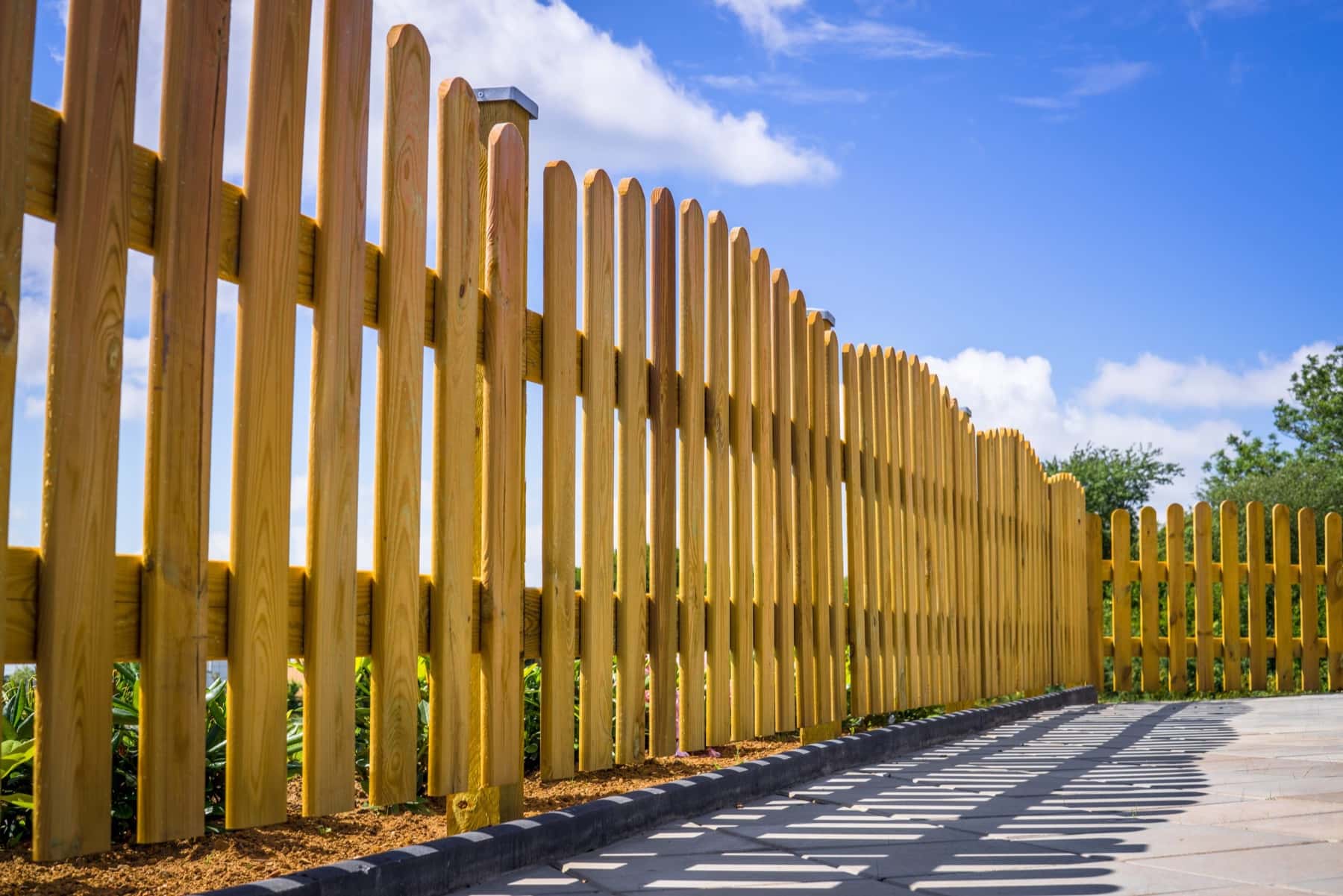
Fence lifespan is a system result. Materials, fasteners, post depth, footing shape, spacing, and gate details have to work together. When those choices match your soil, wind, sun, and irrigation pattern, the fence stays straight and quiet for many seasons. Here is how a fence contractor builds longevity into each part.
Start with the right material for your exposure
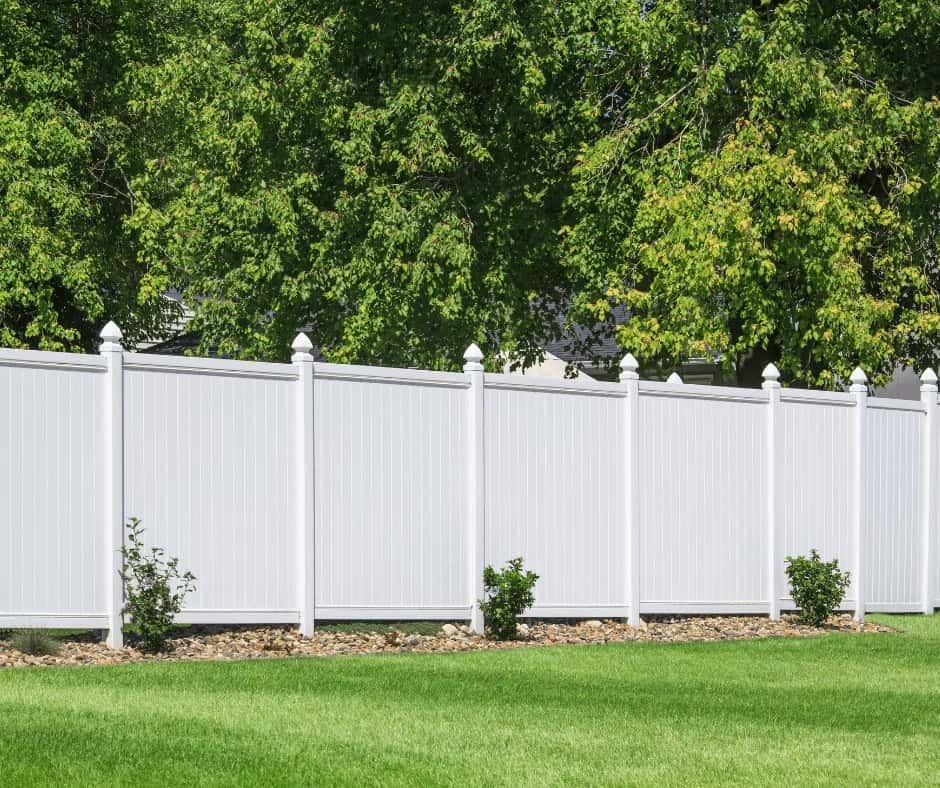
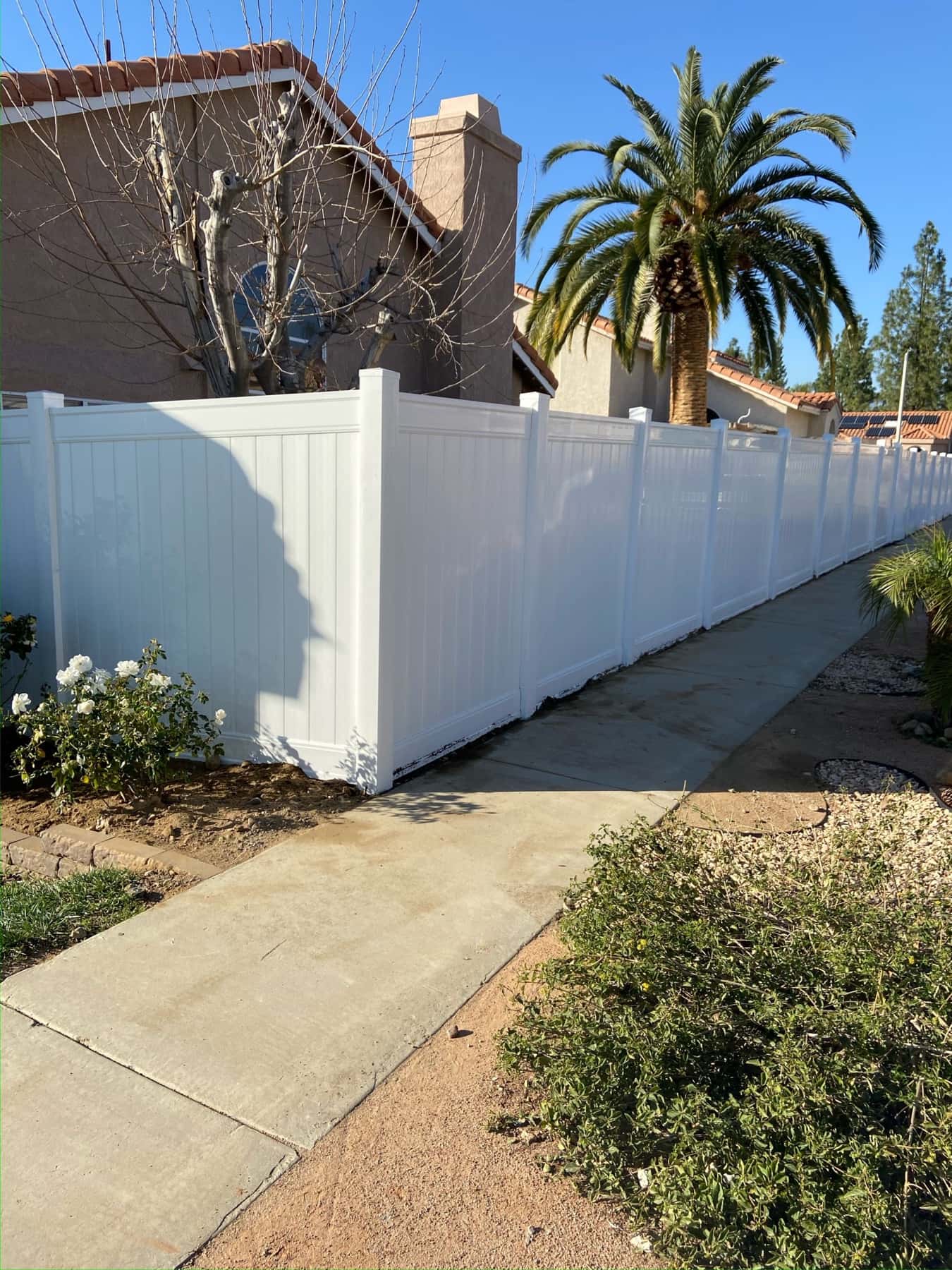
- Vinyl: Long service when the line has a documented UV package and rail inserts in windy zones. Minimal upkeep. Watch spans and dark color heat load.
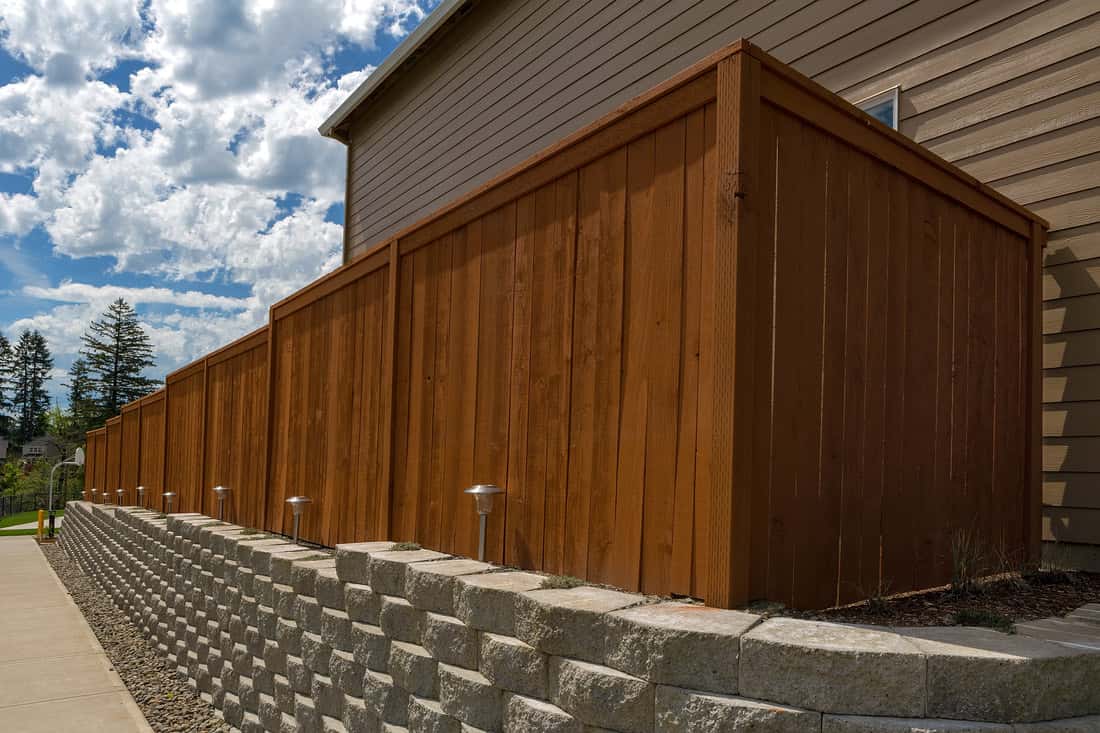
- Wood: Strong and repairable with the right species, post caps, and a finish schedule. Needs coated or stainless fasteners and clearance from constant moisture.
- Ornamental aluminum or steel: Excellent coatings and engineered panels. Choose panel grade for wind and pool code.
- Chain link: Durable framework. Privacy slats need sturdy top rail and tension wire to avoid rattle in wind.
Fasteners decide whether boards and rails stay put
Cheap fasteners stain wood, back out, or snap. A fence builder prevents that with:
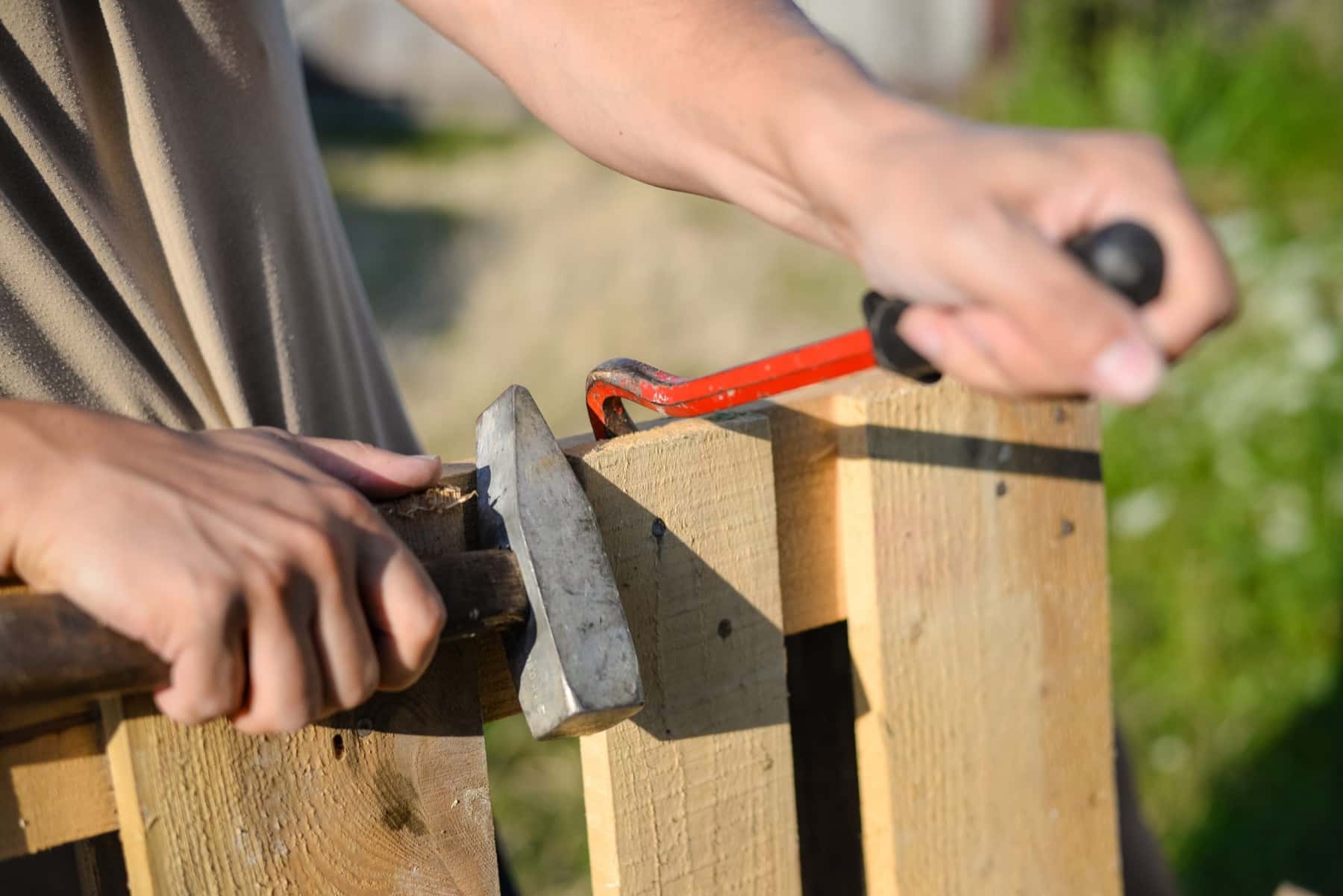
- Wood: Hot dipped galvanized or stainless screws and nails rated for treated lumber.
- Vinyl: Manufacturer specified screws, brackets, and steel or aluminum inserts where spans demand it.
- Metal systems: Hardware that matches the coating system to avoid galvanic corrosion.
Footing depth and shape keep posts from moving
Posts fail from the ground up. A fence contractor sizes footings to wind and soil, not just height.
- Depth: Below frost where required and deep enough to resist overturning in wind.
- Shape: Straight tubes are common. Bell shaped footings or wider collars add uplift resistance in sandy or expansive soils.
- Set method: Concrete for most privacy lines. Gravel set can work in well draining soils to shed water around wood posts.
Spacing and wind load work together
Span length is the backbone of durability. Taller and more solid fences need tighter post spacing, stiffer rails, and corner bracing. Expect 6 to 7 feet on center for many 6 foot vinyl privacy runs with inserts at gates, 6 to 8 feet for wood privacy with stout rails, and tighter spacing at corners, hilltops, and long open exposures.
Irrigation, soil, and grade
Constant wetting shortens life. A fence builder lifts wood pickets and rails off grade, trims sprinklers that hit panels, and avoids setting posts in low spots. In expansive or very sandy soils they increase depth or use bell footings so posts do not heave or sink.
Gate construction makes or breaks a lifespan
Gates show wear first. Fence contractors:
- Upsize hinge and latch posts and set them deeper
- Shorten spans near openings
- Use rated hinges, latches, and drop rods
- Square frames and let concrete cure before final alignment
Maintenance that actually adds years
- Vinyl: Wash with mild soap, inspect hardware, avoid harsh solvents
- Wood: Clean, then seal or stain on a schedule, replace caps as needed
- Metal: Rinse dust, fix chips in coating, tighten hardware once a season
- Chain link: Check tension, rails, and ties, tighten slats and anti rattle parts
Common failure paths and how a fence contractor avoids them
- UV chalking and brittleness: Specify vinyl with a published UV package
- Rot and insect activity in wood: Choose the right species, keep end grain capped, keep wood off constantly wet soil
- Lean and blowouts: Correct post depth, bell footings where needed, conservative spans in wind
- Gate drag and rattle: Deeper posts, proper hinge geometry, and early hardware tune ups
What to ask during your estimate
- What UV package and warranty does this vinyl line carry
- Which species and fasteners are you proposing for wood
- How deep will posts go and will any footings be bell shaped
- How are spans set for my wind exposure
- What is the plan for gate reinforcement and hardware
- How will slopes be handled so measured height stays legal and panels stay flat
Lifespan is engineered. A fence contractor extends service life by matching materials to sun and wind, using coated or stainless fasteners, sizing footings to soil, tightening spans where exposure is high, and reinforcing gates. If you want a fence that stays straight and strong for years, get a layout and spec set built for your yard rather than a generic kit. Request a quick quote and we will design the materials, fasteners, and footings that add years to your fence.
FAQs
Accordion 1
The point of using dummy text for your paragraph is that it has a more-or-less normal distribution of letters. making it look like readable English.
Accordion 2
The point of using dummy text for your paragraph is that it has a more-or-less normal distribution of letters. making it look like readable English.