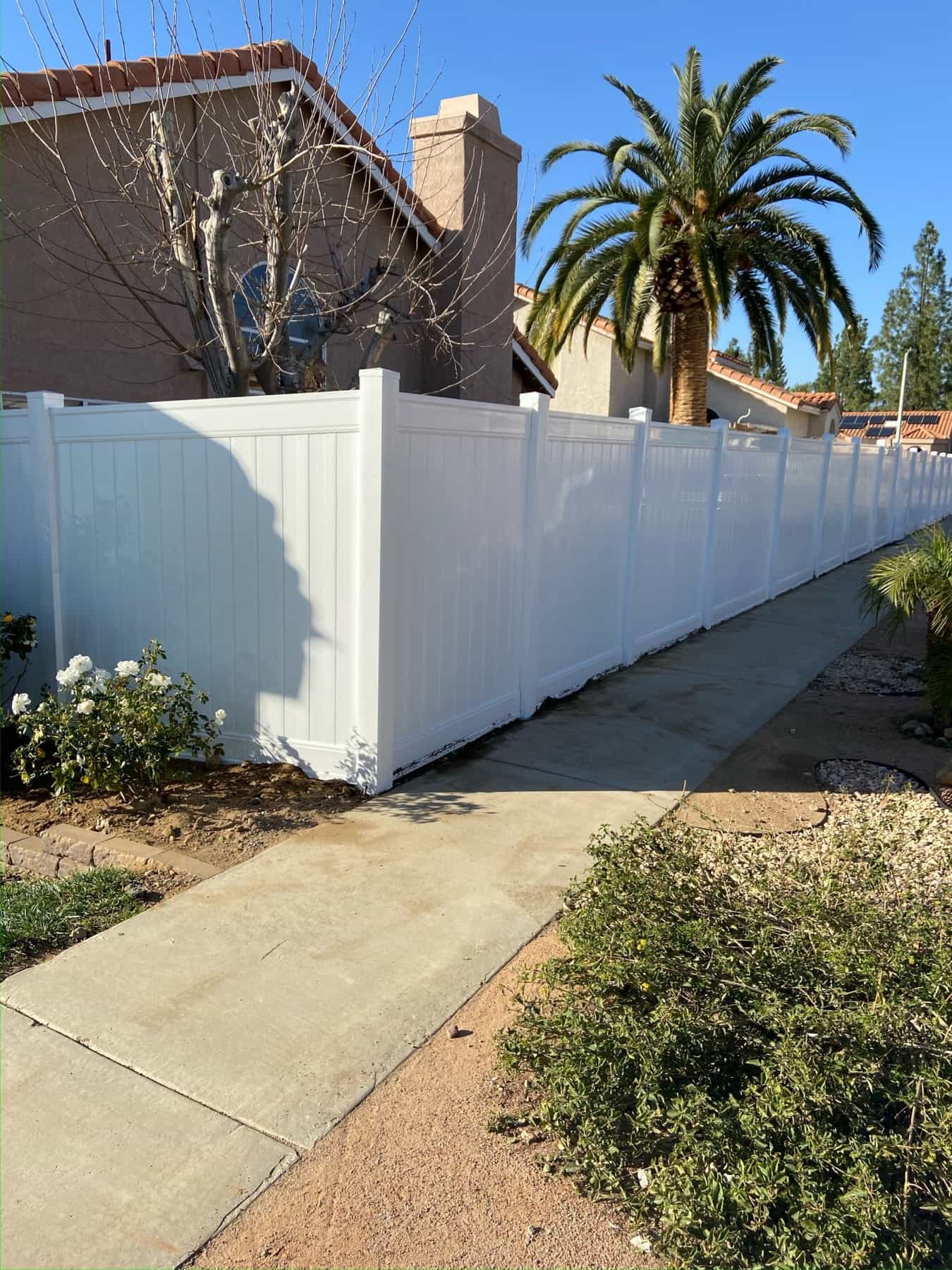
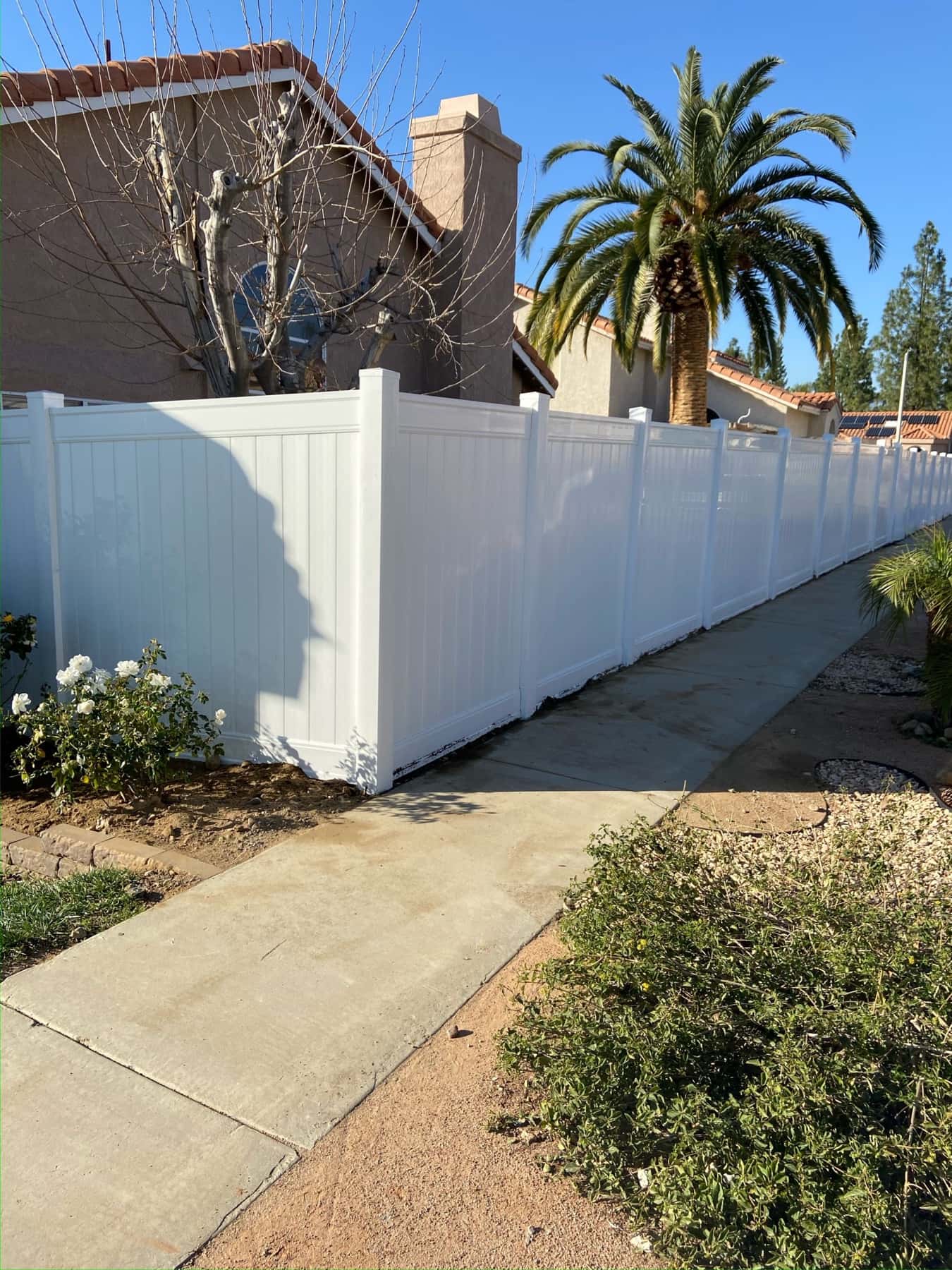
In the Inland Empire, fences face long hours of high UV, low humidity, temperature swings, and seasonal winds. That climate is tough on materials and it exposes shortcuts fast. The right answer to “vinyl or wood” is not just about the product on the shelf. It is about how that product was sourced, the UV package in the material, and the way a fence builder installs and braces it for local conditions.
How climate changes the equation
Sun is the main villain. UV breaks down plastics that are not stabilized and it dries wood until boards check, cup, and split. Wind loads flex panels and stress hardware. Dust and heat bake finishes and highlight any weakness in fasteners or rails. In this environment, a properly specified vinyl system often outlasts an average wood build, but a well built wood fence with the right species and fasteners can deliver many good years. The difference is professional specification and installation rather than brand names alone.
Vinyl: strengths, limits, and what to look for
Why vinyl can last longer here
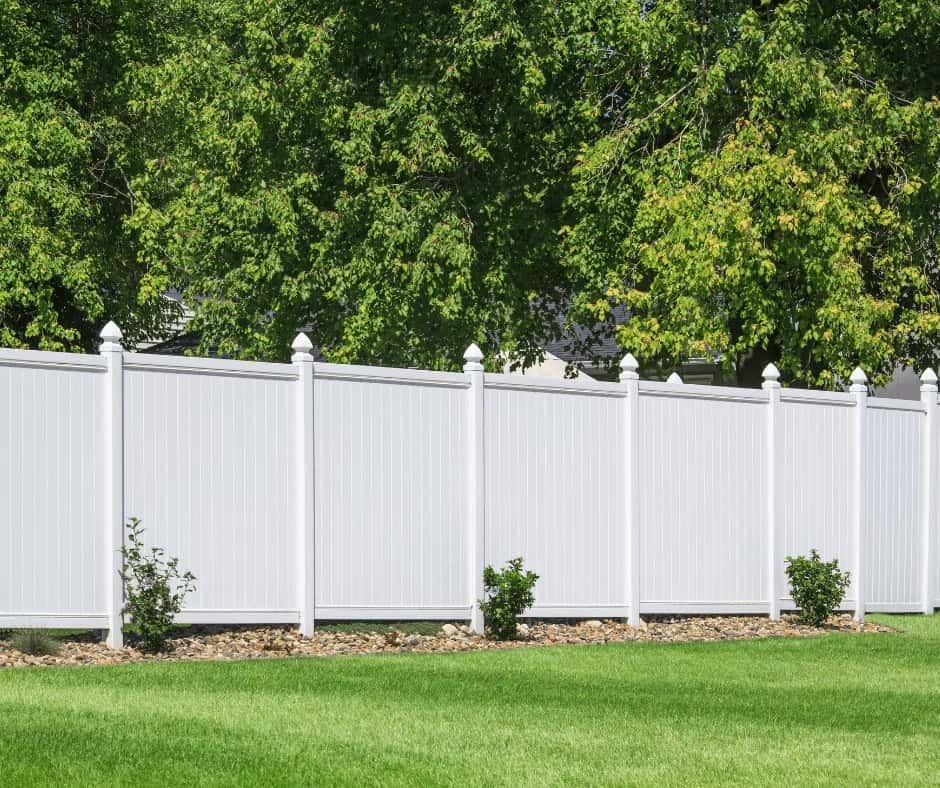
Quality vinyl with the correct UV inhibitors resists sun chalking and brittleness. It does not rot, it does not attract termites, and it needs no painting. Panels stay straight when rails are reinforced and posts are spaced for the wind.
Where vinyl fails
Low grade vinyl without enough UV protection will chalk and embrittle. Overstretched spans bow between posts. Thin rails without inserts can sag near gates. Harsh cleaning or the wrong chemicals can haze the surface.
How a fence contractor gets vinyl right
- Sources vinyl with a published UV package and reputable warranty
- Matches rail spans to wind exposure and adds aluminum or steel inserts where needed
- Uses concrete or engineered footings to hold posts in expansive or sandy soils
- Chooses darker colors only when the formulation is rated for heat build
- Sets gate posts deeper and closer to reduce torque on hinges and latches
Wood: strengths, limits, and what to choose
Why homeowners still choose wood
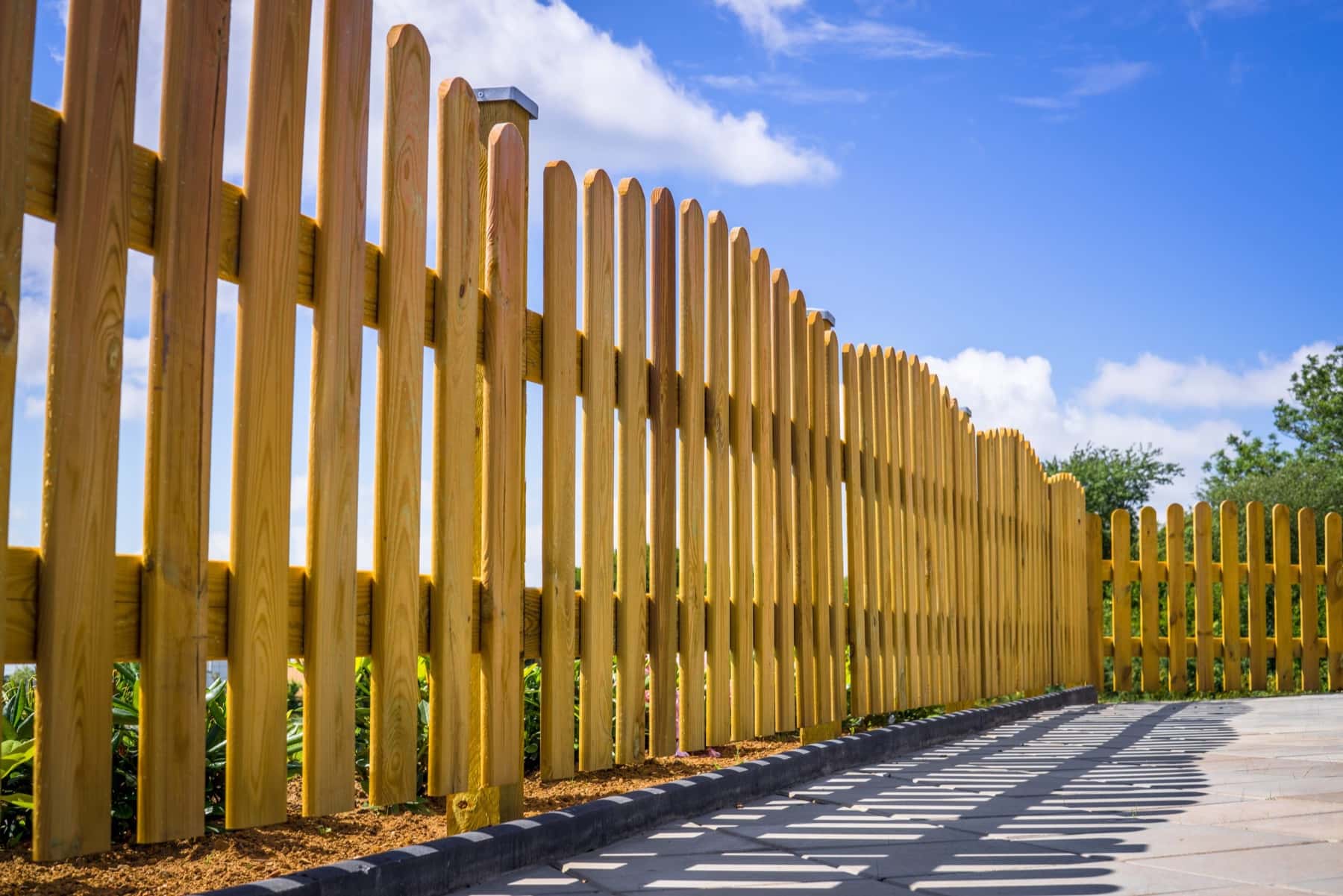
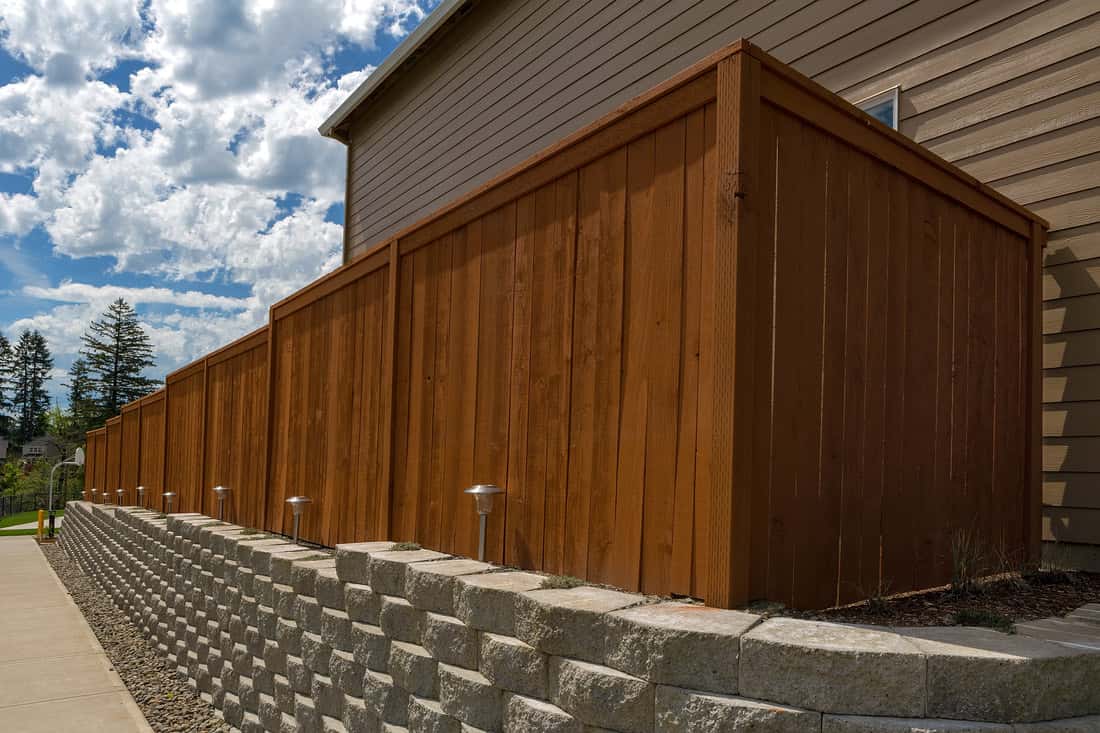
Warm look, custom heights, easy to repair a board at a time, and often a lower upfront price. With the right species and fasteners, wood can perform well even in a hot, dry climate.
Where wood fails
Sun pulls moisture out of boards until they check and cup. Fasteners stain if the coating is wrong. Soil contact and trapped irrigation overspray speed rot. Insects can target unprotected wood. Frequent finishing or sealing is part of the ownership cost.
How a fence contractor extends wood life
- Recommends species that move less in heat and take finish well
- Uses hot dipped galvanized or stainless fasteners to prevent black streaks
- Lifts pickets and rails off grade to avoid constant wetting
- Specifies post caps and drip details that keep water out of end grain
- Plans tighter post spacing in windy exposures to reduce rail stress
- Advises a finish schedule and gentle cleaning that preserves color
UV specs are not marketing fluff
Two vinyl rails can look identical and age very differently. The UV package, wall thickness, and color formulation decide whether a fence stays smooth or turns chalky. Ask for manufacturer data sheets, not just brochures. A fence contractor sources lines with proven UV stabilization, then aligns color choice with the heat load on your site. Dark colors can work, but only with a formulation rated for heat and with spans kept conservative.
Installation details that decide who wins
No material survives poor layout. Post depth, footing type, and spacing must match wind and soil. Gate posts need deeper footings and closer neighboring posts. Corners should be braced and hardware chosen for the measured span. A fence builder sets these rules before hole one, which keeps panels flat and gates true. When those details are right, vinyl’s low maintenance shines. When they are wrong, even the best vinyl or wood will move, rattle, and fail early.
Cost over time, not just day one
Wood often starts cheaper, then asks for stain or sealer on a repeating schedule. Vinyl starts higher but avoids most finishing costs. Repairs are different too. Wood lets you replace a board and blend, which is inexpensive if you do not mind patina. Vinyl repairs can require matched parts to keep color consistent, which is where pro sourcing pays off. Over ten years, many homeowners see total costs narrow, especially when wind and sun are strong.
When wood makes the better call
- Historic or design driven projects where texture matters
- Short privacy runs with lots of corners and grade changes
- Yards shaded from the harshest sun
- Homeowners who enjoy the look of aged wood and will maintain finish
When vinyl makes the better call
- Long, straight runs in full sun and wind
- Pool areas and damp zones where rot or sprinklers hit the line
- Owners who want minimal upkeep and stable color
- Properties that need uniform looks to satisfy HOA rules
Questions to bring to your estimate
- What is the UV package and warranty on this vinyl line
- How are rail spans set for my wind exposure
- Which species and fasteners are you proposing for wood
- How deep are posts going and what footing shape will you use
- What is the plan for gate reinforcement and hardware
- How will you handle slopes and transitions so panels stay flat
In our sun and wind, longevity is a specification and installation story. Vinyl often wins on low maintenance and long service when it carries a strong UV package and when a fence contractor reinforces rails and sets spans for the site. Wood delivers character and solid performance when the right species, fasteners, and details are chosen, then maintained on a sensible schedule. If you want a fence that looks great and lasts, start with pro sourced materials, verify the UV and hardware specs, and let a builder match layout to your exact exposure. Request a quick quote and get a side by side option set that is engineered for your yard, not just pulled from a catalog.