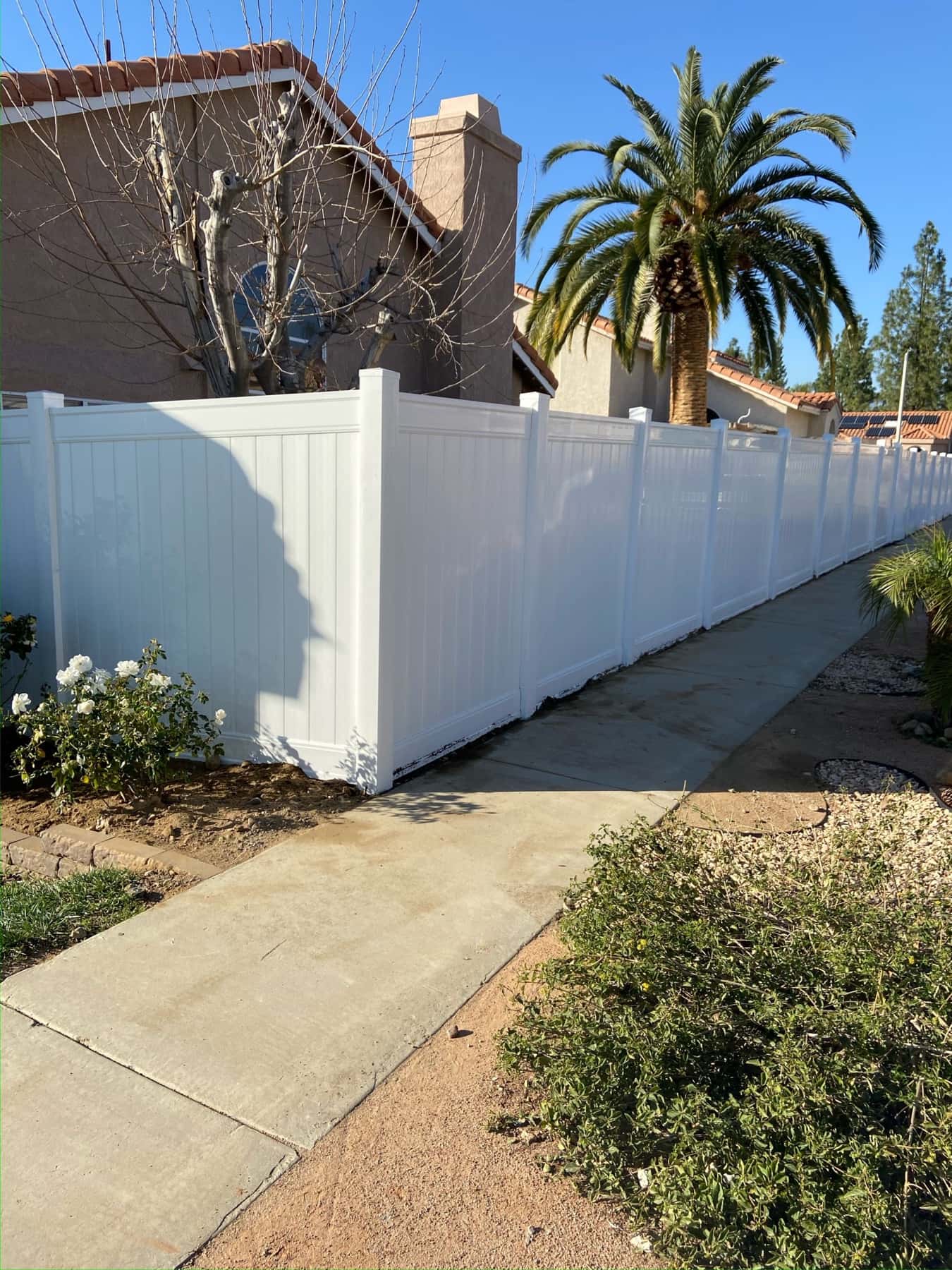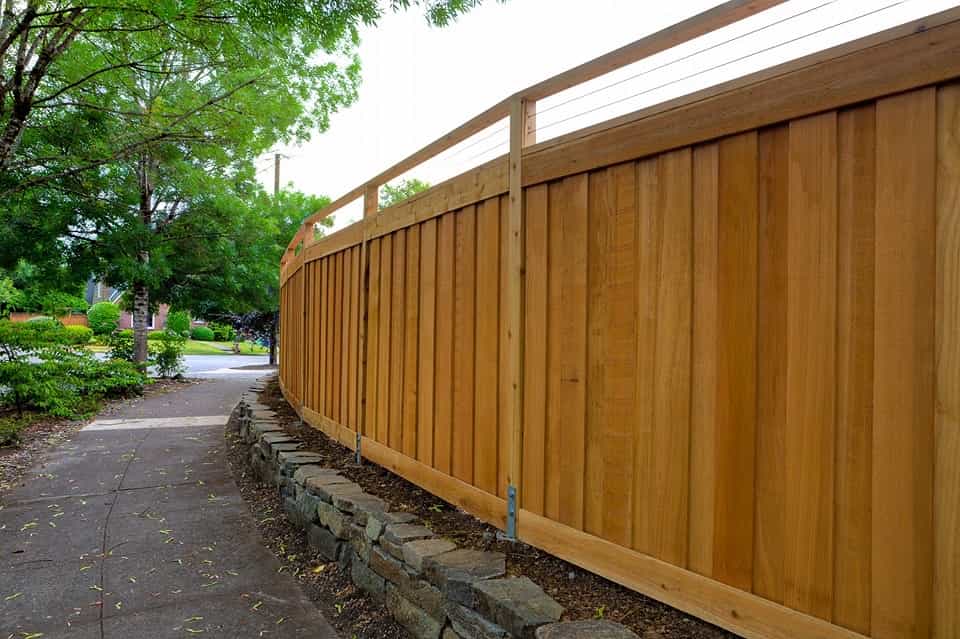
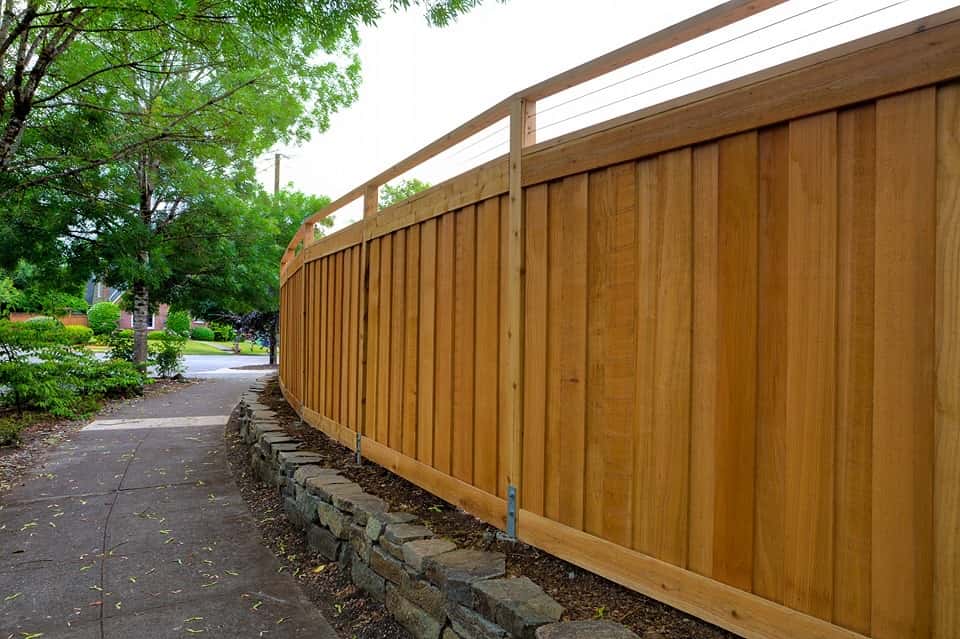
If you have heard horror stories about fence projects dragging on, you are usually hearing about poor planning, missing permits, or crews without a clear workflow. A well run fence contractor treats time like a deliverable. With the right prep, most residential jobs move from first stake to final sweep in days, not weeks.
What controls the calendar before anyone digs
Permits and HOA approvals. Some jobs are permit exempt, others are not. A contractor checks your address, prepares simple drawings, and submits early so the review runs while materials are staged. If your neighborhood has an HOA, the same packet can be used for submittal to save time.
811 utility locates. State law usually requires a locate. Pros request it as soon as the contract is signed. Markings guide post placement and prevent delays from rework or damaged lines.
Materials readiness. Standard vinyl, wood, chain link, and many aluminum styles are commonly in stock. Special colors, custom heights, or decorative gates can add a few days for fabrication. A builder confirms lead times up front so the crew and material arrive together.
Typical timeline for a common residential project
Day 0 to Day 5: Preconstruction window
Permits and HOA approvals in motion, 811 locate requested, materials pulled, and the schedule locked. You will get a start date after these items are greenlit.
Day 1: Layout and posts
The crew walks the site, strings the line, and sets posts to depth with concrete or engineered footings. Corners, ends, and gate posts get deeper or wider footings. If concrete is used, set time begins immediately.
Day 2: Panels and rails
Once posts have set to spec, panels or rails go in. For vinyl and ornamental systems, rails and panels clip or screw into place quickly. For wood, rails and pickets are set to a clean rhythm. Sections that step up or rack on slopes get special attention.
Day 3: Gates, hardware, and detailing
Gates are hung, hinges and latches are aligned, and drop rods set. The team finishes with cleanup, sweep, and a final walk with you.
Many straightforward yards finish in two onsite days. Three is common when there is a long run, complex grading, or multiple gates.
Why professional crews move faster without cutting corners
Crew size and roles. A pro team splits tasks. One sets posts, another mixes and checks footings, a third stages panels and hardware. Parallel work compresses the schedule.
Right equipment for the soil. Augers with the correct bit, rock bars for hard ground, and vacuum or hydro for utility crossings keep holes moving even in tough soil.
Spacing logic done in advance. A fence builder plans post centers by section so rails fit without last minute changes. Less backtracking means fewer hours on site.
Gate fabrication ready to hang. Where possible, gates are built or kitted before day one. Hardware is matched to the post and opening so swing alignment happens in minutes, not hours.
Inspection readiness. If a mid build inspection is required, the contractor schedules it inside the work window and meets the inspector with the plan and specs in hand.
Variables that can add time and how pros manage them
Weather. Heavy rain can soften soils. Crews switch to low ground pressure access, use bell footings for stability, or push panel day to protect the finish.
Access and obstacles. Tight side yards, tree roots, sprinklers, and patios require handwork. A good plan stages these zones first so the rest stays on schedule.
Demolition and haul away. Removing an old fence can add half a day to a day depending on length and footing size. Pros bring saws, pullers, and disposal capacity so demo does not bleed into install time.
Custom colors or heights. Special orders add lead time, not install time. Your contractor will hold the start date until materials are physically in the yard.
Concrete cure. Fast set mixes and modern post systems allow next day builds in most cases. Very tall fences, gate posts, or expansive soils may need a longer cure. Your builder will set expectations based on the footing design.
Sample scenarios
Small backyard privacy, 80 to 120 feet, one gate
Two days onsite. Day 1 posts. Day 2 panels, gate, cleanup.
Corner lot with slope, 180 to 250 feet, two gates
Three days onsite. Day 1 posts and tricky corners. Day 2 panels on the long runs. Day 3 gates, step downs, detail.
Replace in place with demo and haul away
Add a half to full day for removal, then follow the two to three day pattern above.
Why DIY often takes weeks
Homeowners usually work weekends, learn tools on the fly, and run back to the store for parts. Stretched schedules mean holes sit open, concrete cures unevenly, and layout drifts. A fence contractor compresses all of that into a tight window with the right tools, a stocked truck, and a checklist built from hundreds of installs. Faster is not rushed. It is organized.
What you can do to help the timeline
- Confirm property lines, permits, and HOA early
- Clear access paths and move vehicles on install days
- Note sprinkler heads and pet gates you want to preserve
- Approve color, height, and gate swing before day one
A well planned fence project is measured in days on site, not weeks. When permits, locates, materials, layout, and gate details are set in advance, a professional crew can install posts, panels, and hardware with a clean finish and a predictable schedule. If you want a start date you can trust and a fence that looks right on day one, bring in a fence contractor who treats time like part of the craft. Request a quick quote and get a clear calendar from the first stake to the final sweep.
FAQs
Can my fence be done in one day?
Short runs with ideal access and no demo can be one day. Most projects are two to three days because posts need time to set and gates deserve careful alignment.
How soon can I use the gate?
Often the same day it is hung. If footing design requires extra cure time, your installer will let you know.
Do I need to be home?
Only for the walkthrough and gate direction decisions. Many clients are at work while the crew builds.