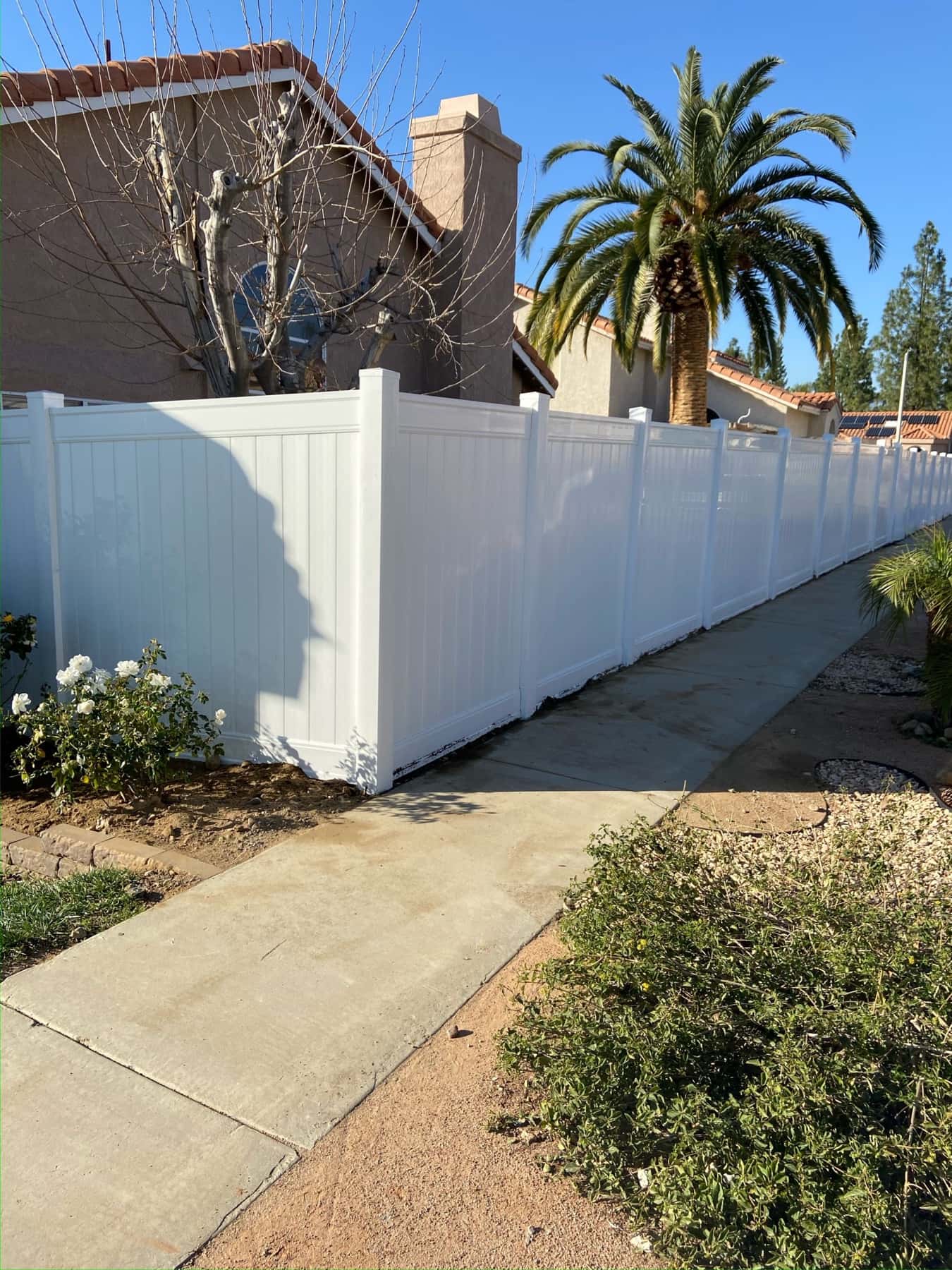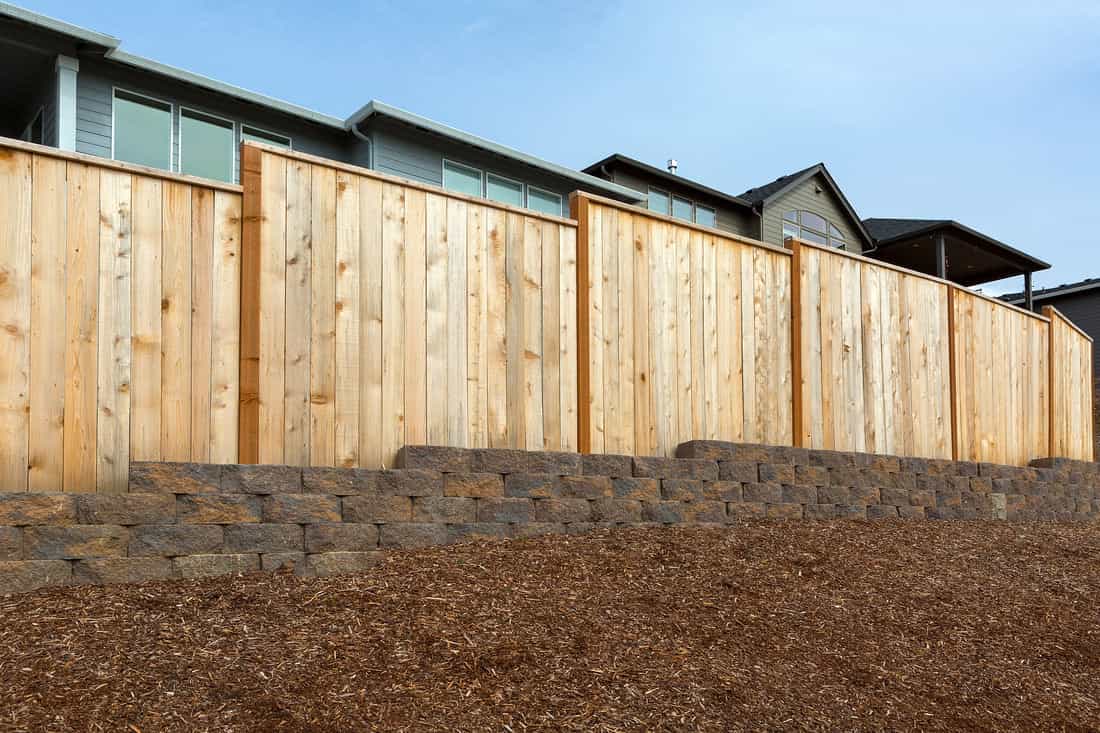
A fence looks simple until the first storm exposes where it is weak. Most problems trace back to post spacing. Too wide and panels sag, rails loosen, hardware rattles, and wind loads multiply. Tighten spacing in the right places and the whole line feels solid. This is where experience matters. A seasoned fence builder reads the site, the soil, and the materials, then sets a spacing plan that keeps lines straight for years.
Why spacing is the backbone of a strong fence
Every post acts like a column. The farther apart those columns are, the more bending force each rail and panel must resist. Shorter spans reduce bending, cut hardware fatigue, and spread wind pressure more evenly. Good spacing also protects gates, which are the first spots to show sag when a layout is guessed instead of engineered.
What a fence contractor considers before setting a single post
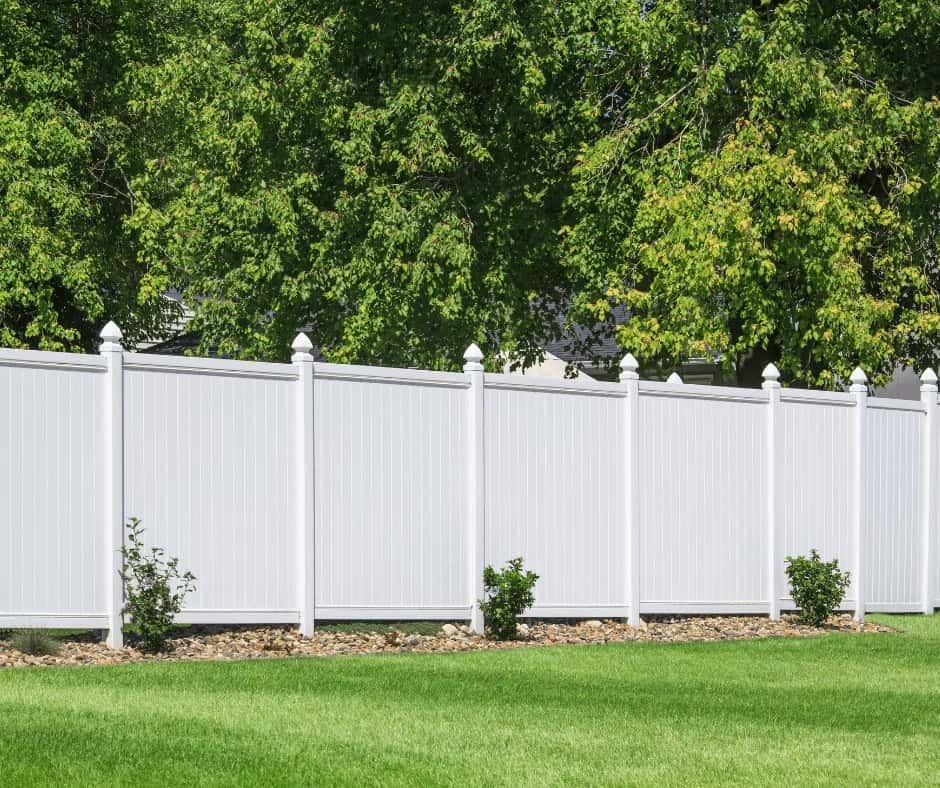
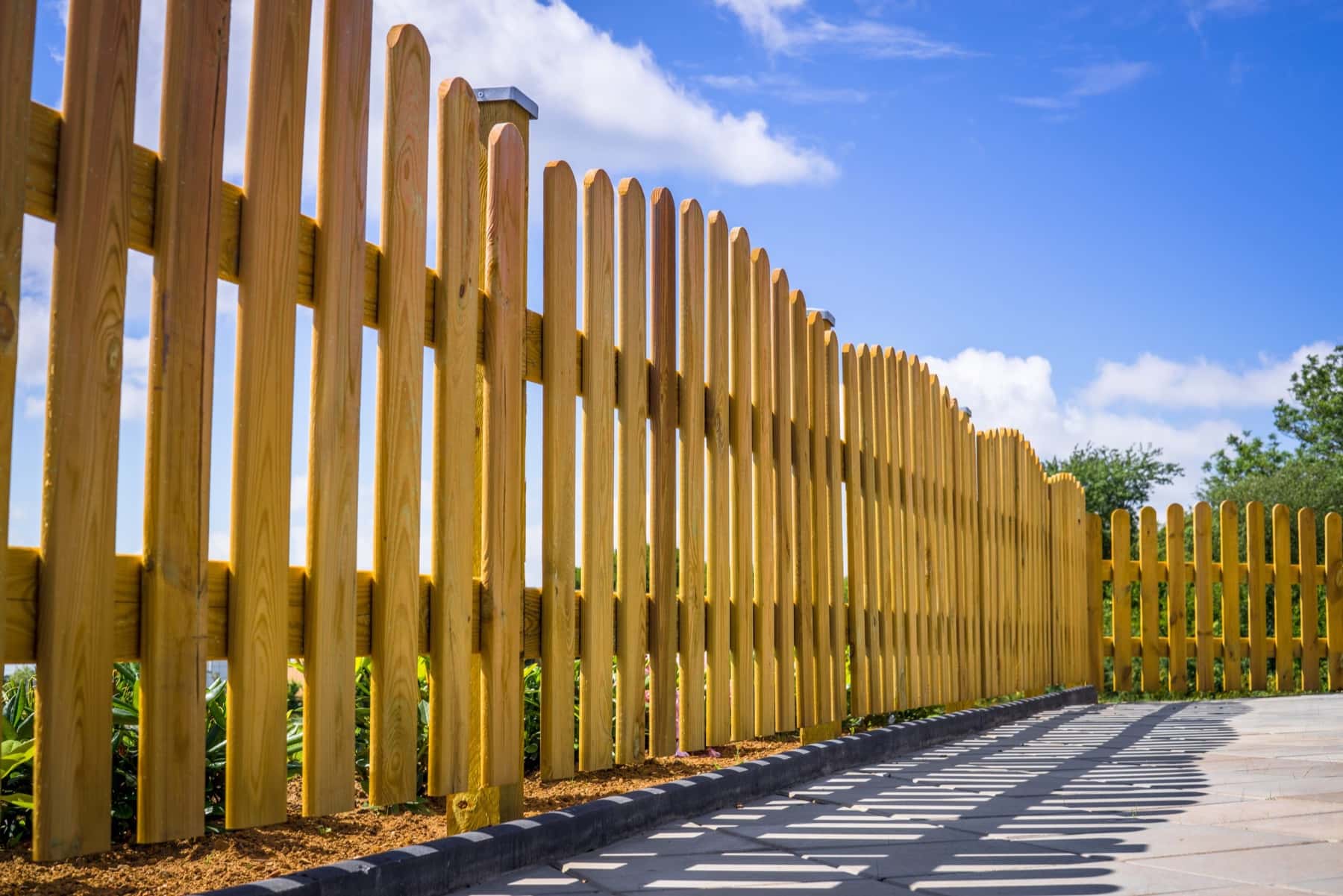
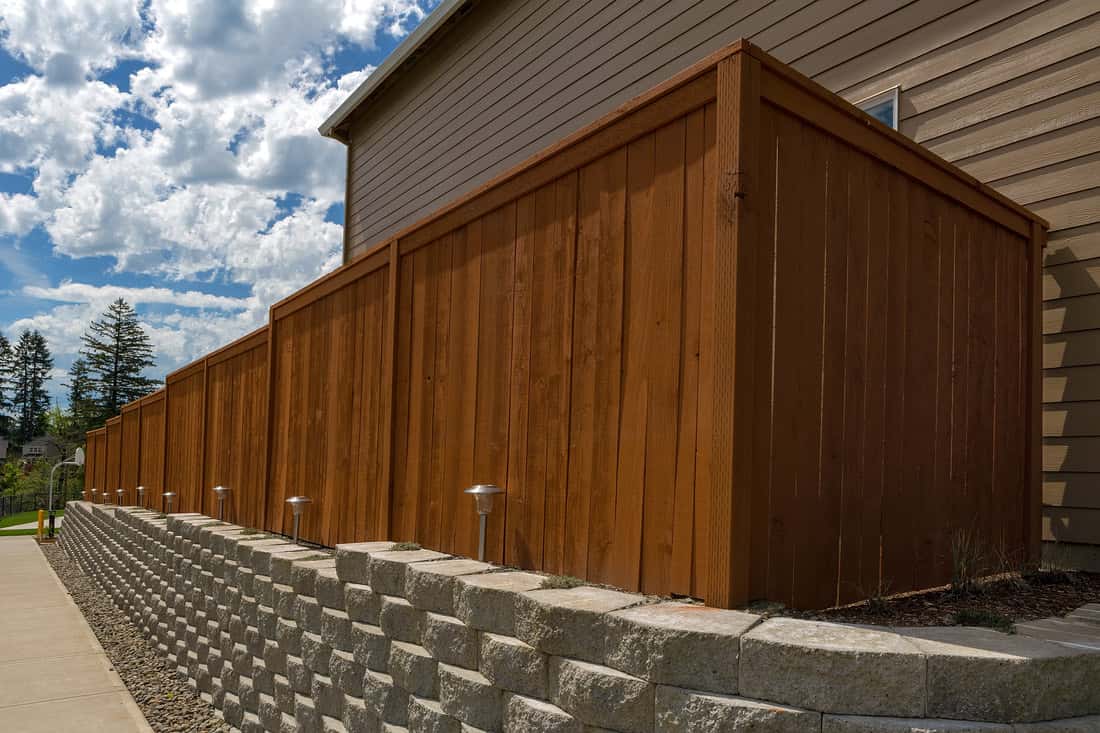
Height and style. Taller fences behave like sails. A 6 foot privacy line needs closer spacing than a 4 foot picket with plenty of airflow. Solid panels get the shortest spans, semi private styles reach a bit farther, open pickets farther still.
Material stiffness. Vinyl, wood, aluminum, and chain link each carry load differently. A fence contractor will tighten spacing on flexible materials or add mid rails and steel inserts when the style demands longer runs.
Wind exposure. Corners, hilltops, and long open runs catch wind. On these sections, professionals shorten spans, reinforce corners, add deeper footings, or both.
Soil and footing. Sandy or expansive soils call for deeper posts and sometimes wider or bell shaped footings. Strong footings let spacing work as intended, instead of letting posts lean under load.
Gates and transitions. Spacing tightens around gate openings and where the fence steps up or down a slope. This keeps hinge and latch posts from twisting and prevents panel gaps from opening.
Typical spacing targets by material and height
These are working ranges, not one size fits all rules. A fence contractor will adjust in the field based on wind and soil.
- Vinyl privacy, 6 ft: 6 to 7 ft on center, with steel inserts at gates and high wind corners
- Wood privacy, 6 ft: 6 to 8 ft on center, closer in windy exposures, with mid rails for stiffness
- Aluminum or steel ornamental, 4 to 5 ft: 6 to 8 ft on center, depending on panel rating
- Chain link, 4 to 6 ft: 8 to 10 ft on center for line posts, tighter at corners and gates
How spacing works with rails, pickets, and hardware
Spacing is only part of the system. Rails, picket thickness, and fasteners must match the span. Longer spans require stiffer rails or an extra rail to prevent bowing. On wood, the builder may step up to thicker pickets or screw fasteners instead of nails to resist pull. On vinyl, steel or aluminum stiffeners inside rails keep faces flat between posts. On chain link, tension wire and proper top rail prevent rattle when wind hits.
Corners, ends, and gates need special treatment
Corners and ends carry more load because two directions of force meet there. Professionals brace corners, upsize posts, and sometimes add shorter spans on the approach to keep geometry true. Gate posts often get deeper footings, thicker walls, and closer neighboring posts so hinges and latches stay aligned. This is the difference between a gate that swings light for years and one that drags after the first season.
Slopes and steps without crooked lines
On hills, a fence builder chooses between racking panels to follow the grade or stepping sections in clean increments. Either way, post spacing is measured along the ground, not in the air, and the plan tightens slightly on steeper pitches. That keeps rails from binding, prevents triangular gaps, and holds the look from the street.
The inspection a homeowner never sees
Before concrete is mixed, a good crew dry lays posts or strings centers to confirm rhythm, gate openings, and transitions. They adjust one or two spans by a few inches so the line finishes clean with full panels instead of a last minute short piece. That quiet planning is what prevents rattles, odd joints, and panel blowouts later.
Why DIY spacing fails in the real world
Even spacing that looks fine on paper can fail outdoors. Wind finds weak spots, soils settle unevenly, and lumber moves with moisture. DIY projects often stretch spans to save posts, then try to fix sag with extra screws or brackets that loosen over time. A fence contractor prices the correct count of posts on day one, matches rail strength to the spans, and sets footings that hold through seasons. That is cheaper than replacing bowed panels and wobbly gates next year.
A sample workflow that keeps lines tight
- Walk the site to map wind exposure, soft soils, utilities, and gate needs
- Choose spacing bands by section based on height, style, and material stiffness
- Mark centers with slight adjustments so corners and gates land perfectly
- Set deeper or wider footings where soil or wind calls for it
- Install rails and panels matched to the actual spans, not a catalog default
- Check for rattle and flex, then tighten hardware and add bracing where needed
Post spacing is where fence projects win or lose. Get it right and panels stay flat, gates swing true, and hardware stays quiet through storms. Get it wrong and you inherit sag, rattle, and repairs. A licensed fence contractor reads height, style, wind, and soil, then sets spans, rails, and footings that work together. If you want a fence that looks great and feels solid for years, ask a fence builder to plan spacing by section rather than guessing every eight feet. Request a quick quote and let a team dial in the layout so your fence stays straight from the first post to the last.