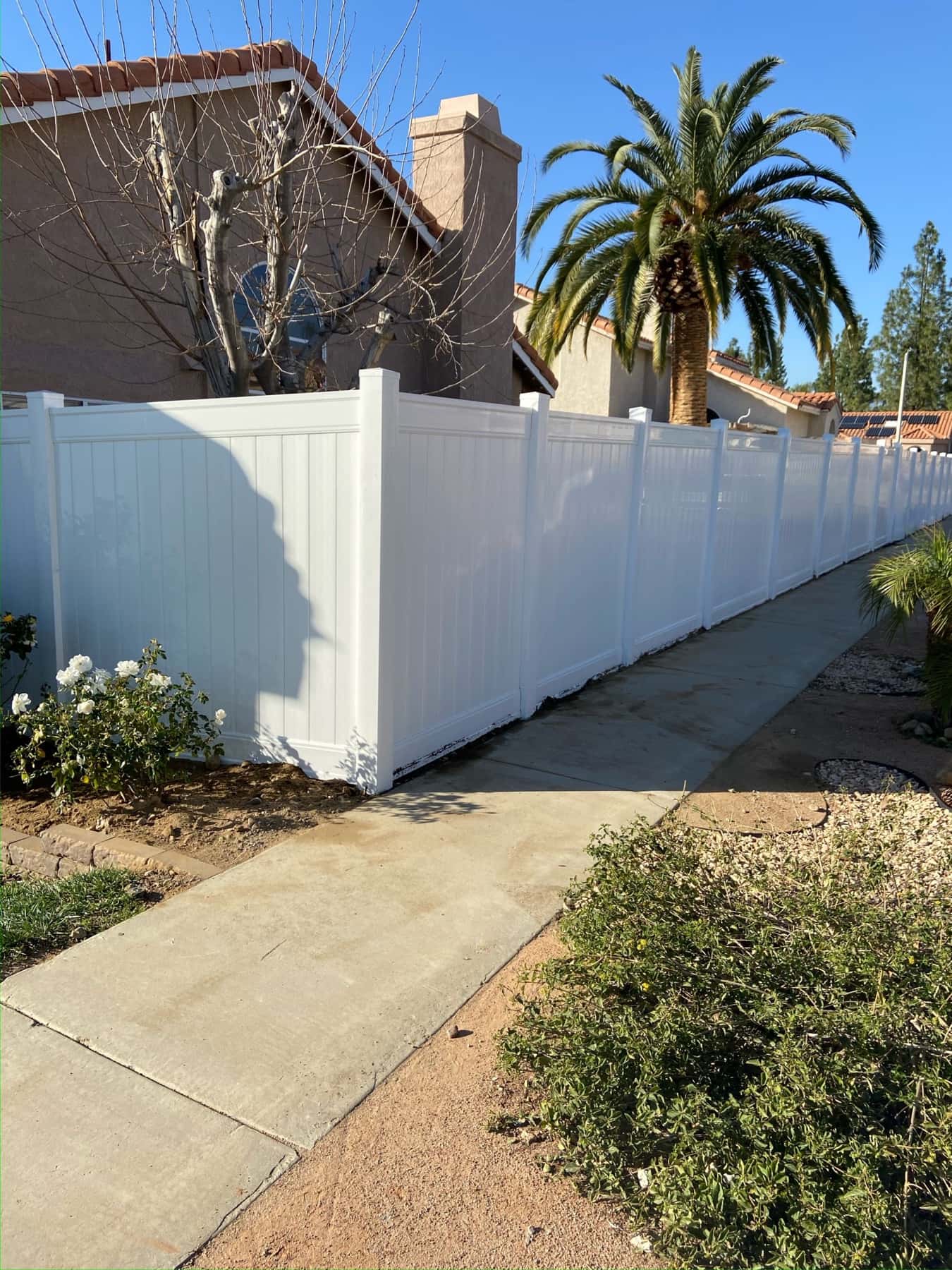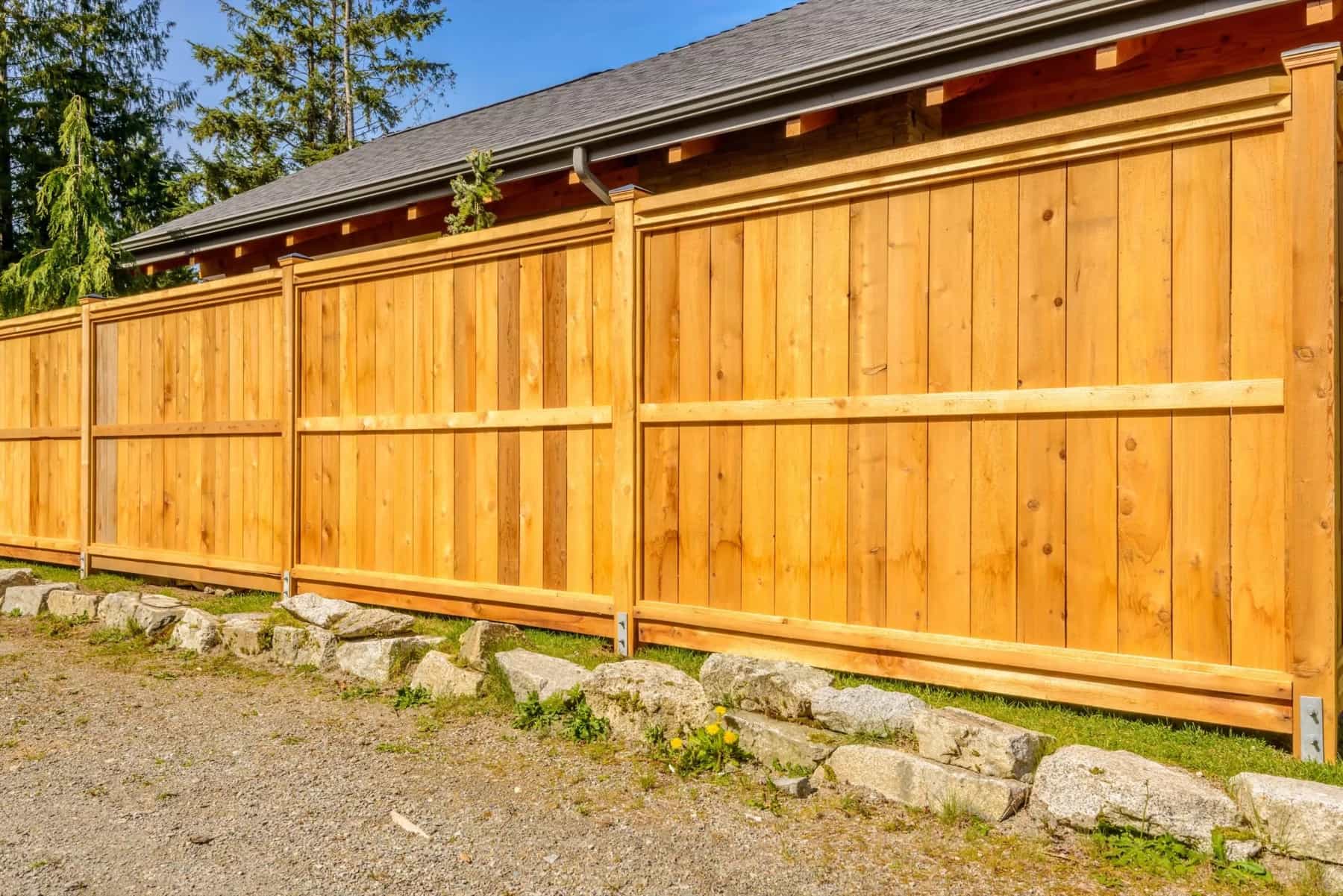
Getting a fence in the wrong spot can mean arguments with neighbors, failed inspections, fines, or a forced tear out. The safest path is verifying the boundary and the setback rules before post one. A licensed fence contractor handles the homework, marks a build line that respects code and site conditions, and keeps your project legal from the first stake to the final inspection.
Why property lines and setbacks matter
Property lines define where you can build. Setbacks are legal buffers from those lines, sidewalks, roads, easements, or utilities. Cities often tighten setbacks at street corners, driveways, and pool areas, and HOAs add their own rules on height and style. A fence builder reads the rules for your address and sets a layout that passes the first time.
What a fence contractor checks before layout
Survey and plat. The gold standard is a recent boundary survey. If you only have an old plat, a pro reviews it, checks monument references, and recommends a new survey when numbers do not match what is in the yard.
Recorded setbacks and easements. Utility, drainage, or access easements can cross your lawn. You can sometimes fence beside them but not inside them. That difference saves tear outs.
Zoning and corridor rules. Corner lots need sight triangles for driver visibility. Front yards often have lower height limits than back yards. Pool fences follow their own safety standard.
811 utility locates. Posts cannot land over marked gas, electric, water, fiber, or sprinkler mains. Pros schedule locates, then adjust centers to clear the marks.
HOA covenants. Many associations require submittals with samples and drawings. A contractor prepares a packet that aligns with the covenants so approvals go faster.
How close can the fence go
There is no single distance for every property. Typical residential setbacks range from zero to a few feet off the property line in the rear and side yards, with stricter limits in front yards and at street corners. Pool barriers and busy-road frontages often add more rules. Your fence contractor gives you the exact numbers for your parcel and shows where posts will land relative to the surveyed line.
Reading the yard when markers are missing
Pins and irons move or get buried. When corners are not visible, a pro measures from fixed references and uses a metal locator to find monuments. If corners are gone or the math conflicts with neighbors’ fences, they recommend a licensed surveyor to reset pins before construction. That step is cheaper than moving a finished fence.
Setting a legal, buildable line
Once setbacks and lines are confirmed, the crew snaps a chalk or pulls a string on the legal side of the boundary. Posts are centered along that line with room for concrete bells and hardware clearances. At driveways and corners, spacing tightens to hold sight triangles. On slopes, the builder chooses stepped or racked panels and keeps posts inside the setback at every elevation.
Special cases that need expert planning
Shared or party fences. A contractor documents who owns which side, how costs are split, and where the face should point. Clear agreements reduce disputes.
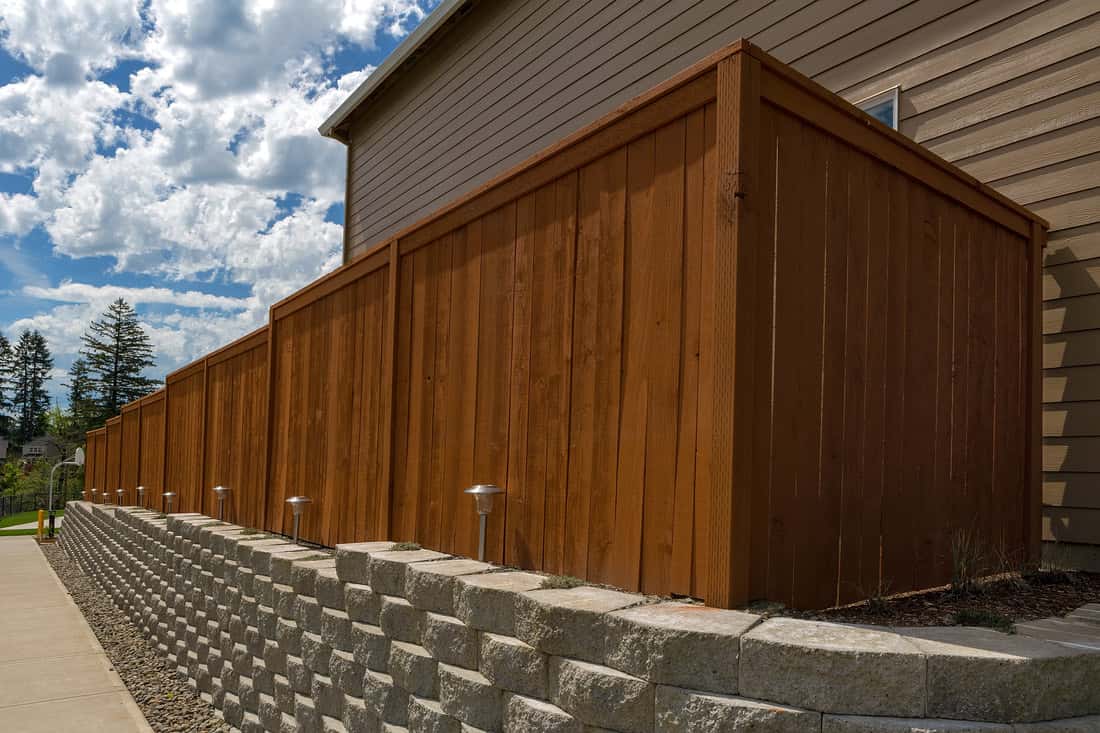
Retaining walls. Many jurisdictions treat a fence on a wall differently from a fence behind it. Engineers may be required.
Alley or utility corridors. These often have strict access rules. A gate and removable panels may be needed to keep compliance and still secure the yard.
Water or drainage paths. Building across swales invites pooling and erosion. Pros offset the line or add culverts and grade changes that keep water moving.
What can go wrong without verification
- Posts over the line that trigger neighbor complaints and legal letters
- Fences in easements that a utility can remove without paying you back
- Failed inspections at final walk because a sight triangle was blocked
- Insurance or resale problems caused by unpermitted or undocumented work
A simple workflow that keeps you compliant
- Document check. Survey, plat, permits, HOA covenants, and city code pulled for your address
- Site walk. Locate or recover pins, mark utilities, photograph corners and grade
- Layout. String the build line inside setbacks and stake gate openings and corners
- Neighbor coordination. Clarify ownership, style, and maintenance sides where lots touch
- Build. Set posts to the approved plan, adjust only with inspector approval
- Final. Meet inspection, provide sign off and warranty paperwork
Finding the property line and setting the correct setback is not guesswork. It is a legal and safety step that prevents disputes, fines, and tear outs. A fence contractor confirms your boundary, reads the code for your address, marks utilities, and lays out a build line that inspectors approve. You get clean geometry, a cooperative relationship with neighbors, and a fence that adds value without creating red tape. Ready to place posts with confidence. Request a quick quote and let a fence builder verify setbacks and layout so your project is right on the line in all the best ways.
FAQs
Can I build right on the property line?
Sometimes, but many cities or HOAs require a setback. Your fence contractor will confirm the rule for your parcel and propose the closest legal line.
My neighbor’s old fence sits inside my yard. Can I align to it?
Aligning to an encroachment can make your new fence noncompliant. Verify the boundary first, then decide whether to remove, shift, or coordinate a shared line.
What if I do not have a survey?
You can order one. For tight neighborhoods, recent surveys are worth the cost. They prevent disputes and protect resale value.